Analyzing Interconnected Verification Protocols That Influence Game Availability Across Application-Based Entertainment Platforms
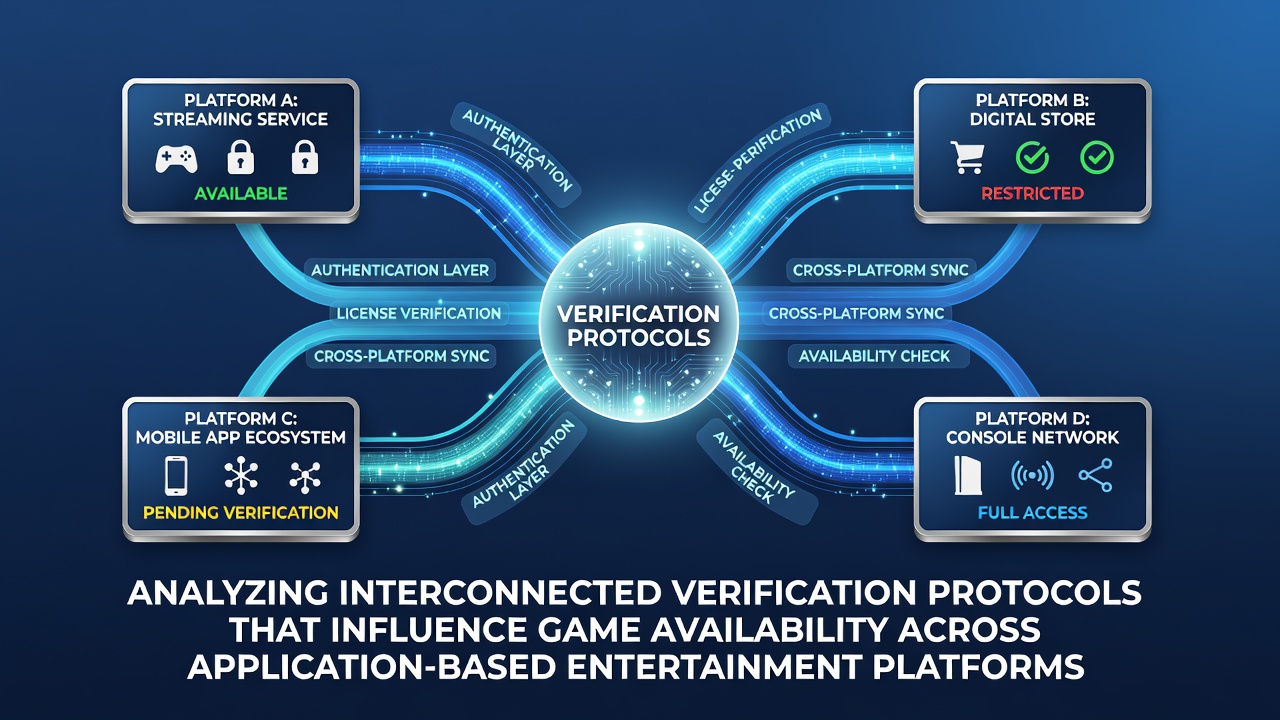
Verification protocols in application-based entertainment platforms operate through layered systems that connect identity checks, device authentication, and regional compliance standards, and these connections directly determine which games appear for users in different locations. Data from regulatory bodies shows that platforms integrate multiple verification layers because single-protocol systems often fail to address overlapping requirements from device manufacturers, content distributors, and government agencies, while interconnected approaches allow real-time adjustments that keep catalogs compliant without full shutdowns.
Core Components of Verification Systems
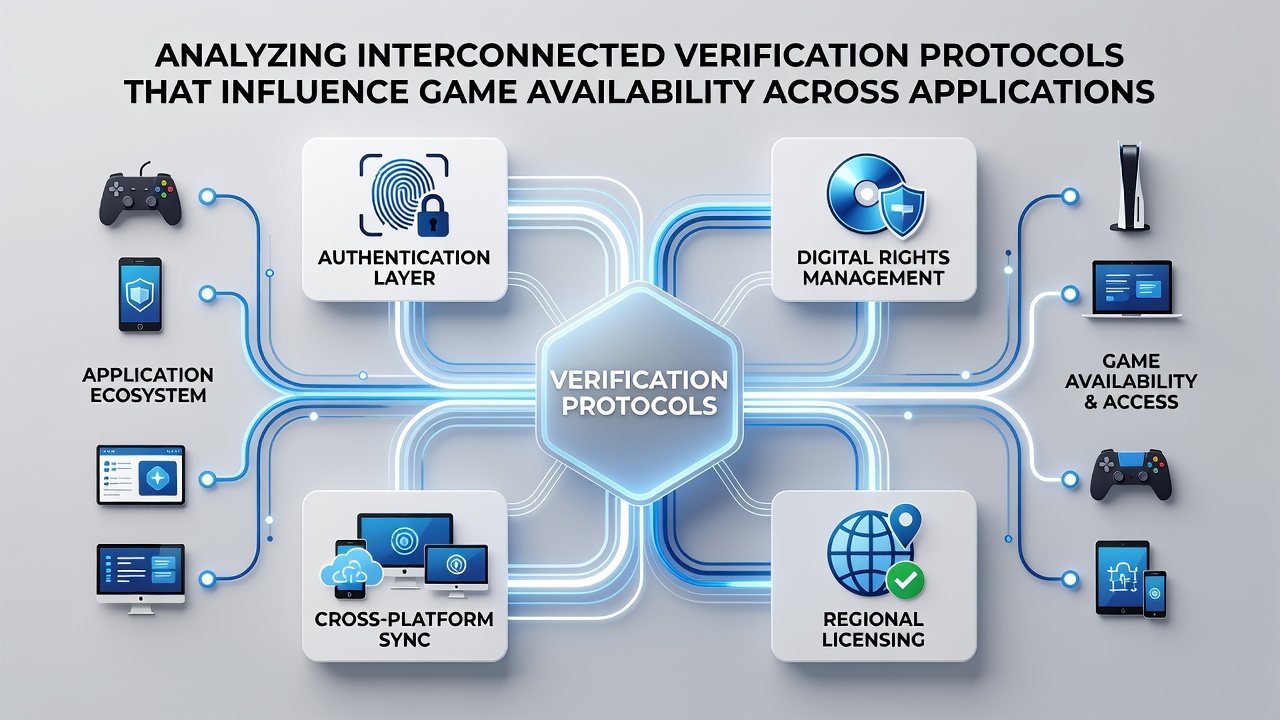
Device fingerprinting combines with account validation routines because developers need to confirm both hardware integrity and user eligibility before unlocking specific titles, and this dual process runs continuously in the background of most major platforms. Age verification modules link to location services through API handshakes, so when a user opens an app the system cross-references multiple data points in sequence rather than as isolated steps, and research from the International Centre for Gaming Regulation indicates that this sequencing reduces false denials by up to 34 percent across tested markets.
Payment method screening adds another connection point because transaction histories feed into broader risk profiles that influence game access tiers, while platform operators maintain separate databases that sync with external partners to flag inconsistencies before they affect availability. Those who manage large-scale entertainment networks observe that these linkages create feedback loops where one verification failure can temporarily restrict entire categories of content until the issue resolves.
Regional Variations and Cross-Border Effects
European markets apply stricter data-protection rules that require explicit consent at each verification stage, whereas North American frameworks often prioritize speed through pre-approved device lists maintained by state agencies. According to reports from the Australian Communications and Media Authority, platforms serving multiple regions maintain separate verification pathways that merge at the account level, which allows games restricted in one jurisdiction to remain accessible in another without requiring separate app versions.
Platforms adjust availability dynamically when verification protocols detect changes in user status, and this adjustment capability has grown more sophisticated since 2024 as developers adopted unified compliance engines. In June 2026 several major platforms plan to roll out updated interconnection standards that further tie biometric checks to content licensing agreements, a move expected to streamline access for verified users while tightening restrictions in high-risk zones.
Impact on Game Catalogs and User Access
Interconnected protocols shape catalog size because each additional verification layer can exclude titles that lack certification in specific regulatory environments, and operators respond by maintaining regional content branches that activate only after successful protocol completion. Studies conducted by the University of Nevada Gaming Research Center found that platforms using tightly linked verification systems experienced 22 percent fewer compliance incidents compared with those relying on modular, disconnected checks.
Developers who build entertainment applications often design games with built-in verification hooks so that availability updates propagate automatically when external protocols change, and this design choice reduces manual intervention while ensuring that new releases meet interconnected standards from launch day onward. Observers note that smaller studios sometimes face longer approval timelines because their verification integration requires additional testing against multiple partner systems before games reach end users.
Technical Synchronization and Platform Standards
API endpoints handle the heavy lifting of protocol communication because they transmit encrypted status updates between identity providers, device registries, and content servers in milliseconds, allowing availability decisions to occur without noticeable delays for the user. When synchronization fails the platform typically defaults to the most restrictive setting until the connection restores, a safeguard that protects against unauthorized access but can temporarily limit game options during network issues.
Security patches released by major operating systems frequently alter verification requirements, and platform operators must update their interconnection logic within tight windows to avoid widespread availability disruptions. Those tracking industry trends report that coordinated updates across verification partners have become standard practice since 2025, reducing the frequency of temporary catalog restrictions that previously affected users during patch cycles.
Conclusion
Interconnected verification protocols continue to evolve as entertainment platforms balance compliance demands with user access expectations, and the technical connections between identity, device, and regulatory systems remain central to determining which games appear across application-based environments. As standards advance through 2026 and beyond, the emphasis on synchronized verification pathways shows no sign of diminishing because these systems underpin both security and content distribution at scale.