Cashout Clocks Ticking: Inside the World of Online Casino Payout Speeds
Cashout Clocks Ticking: Inside the World of Online Casino Payout Speeds

The Mechanics Behind Casino Cashouts
Online casinos process thousands of withdrawal requests daily, and those cashout clocks start ticking the moment players hit the submit button; from there, a series of steps unfolds, including identity verification, internal reviews for security, and final transfer to payment gateways, all while platforms aim to balance speed with compliance. Data from industry trackers reveals average processing times hover between 24 hours for e-wallets and up to five days for bank wires, although top operators shave those down through automated systems. Players often discover that the first withdrawal faces extra scrutiny—think KYC checks confirming addresses and payment methods—yet subsequent ones flow faster once accounts stand verified.
But here's the thing: not every delay stems from the casino itself, since external factors like bank holidays or gateway limitations kick in, stretching timelines unexpectedly; observers note how weekends compound this, with many sites pausing reviews until Monday mornings. Research indicates that in regulated markets, platforms must disclose maximum payout windows upfront, often capping them at 72 hours for electronic methods, a standard enforced across jurisdictions from Europe to North America.
Factors That Speed Up—or Slow Down—Payouts
Verification status tops the list of influencers, as unconfirmed accounts trigger manual holds that can add days; those who've completed full KYC early bypass this hurdle entirely, unlocking quicker paths. Payment method choice follows closely—crypto transactions, for instance, settle in minutes via blockchain ledgers, while credit card reversals demand extra caution to prevent fraud, pushing times toward 3-5 business days.
And then there's casino policy: some operators batch withdrawals daily at set hours, creating queues during peak times like weekends after big wins; others deploy AI-driven approvals that cut human intervention, processing low-risk requests in under an hour. Figures from a eCOGRA report highlight how high-volume sites handle 95% of payouts within promised windows, yet outliers face complaints when large sums trigger enhanced due diligence.
External pressures weigh in too, with banking partners imposing their own rules—ACH transfers in the US, for example, mandate 1-3 days post-approval, whereas SEPA in the EU zips through same-day for euros. Holidays disrupt everything, as teams shrink and systems idle, turning a routine 24-hour cashout into a week-long wait; experts have observed this pattern spike complaints by 40% during festive seasons.
Payment Methods: From Instant to Delayed
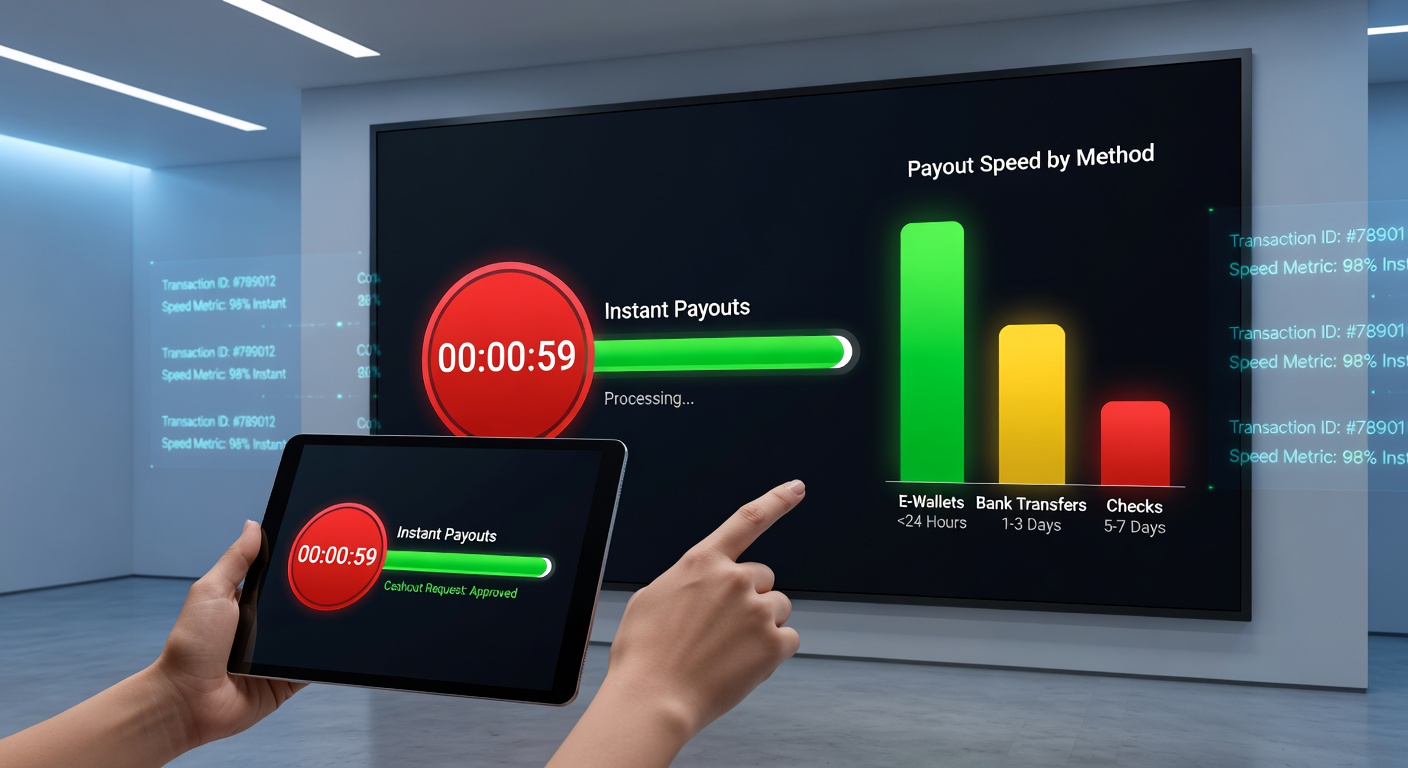
E-wallets like PayPal, Skrill, and Neteller lead the pack for speed, often delivering funds within 12-24 hours because they sidestep traditional banks entirely; players favor these for their direct casino-to-wallet hops, complete with low fees and mobile apps that notify on arrival. Cryptocurrencies take it further—Bitcoin and Ethereum payouts land in wallets almost instantly once approved, a boon in volatile markets where timing matters, although volatility swings can erase gains if holders delay conversions.
Bank transfers lag behind, requiring 2-7 days due to intermediary clears and compliance scans, yet they shine for high rollers seeking secure, traceable paths without limits; debit cards mirror this, with Visa and Mastercard networks adding reversal protections that extend holds. Prepaid options like Paysafecard flip the script for deposits only, forcing switches to other methods for cashouts, which confuses newcomers and slows their first experiences.
What's interesting surfaces in regional prefs: Canadians lean toward Interac e-Transfers for next-day speeds under provincial oversight, while Australians use POLi for seamless local banks, cutting international delays. Data shows hybrid approaches gain traction, like instant bank via Trustly in Scandinavia, blending e-wallet pace with account security.
Regulatory Frameworks Keeping Clocks in Check
Governments and watchdogs worldwide mandate payout timelines to protect players, with bodies like Malta's Gaming Authority requiring operators to process 90% of withdrawals within 48 hours or face fines; this EU hub's rules ripple across licensed sites serving multiple countries, enforcing transparency via terms pages. In the US, New Jersey's Division of Gaming Enforcement audits processing logs quarterly, demanding refunds for breaches while publishing operator rankings based on speed metrics—data from their April 2026 report flags improvements in 85% of platforms since 2024 upgrades.
Canada's landscape varies by province, yet Ontario's Alcohol and Gaming Commission sets a 5-business-day cap, backed by iGaming Ontario dashboards tracking real-time compliance; figures reveal 98% adherence as of early 2026, thanks to centralized monitoring. Australia's state regulators, such as New South Wales' Office of Liquor, Gaming & Racing, impose similar swift-pay mandates, with public blacklists for chronic delayers; these bodies collaborate via the Australasian Gaming Regulators forum, standardizing cross-border expectations.
Industry groups amplify this: the Interactive Gaming Council certifies fast-payers with seals that boost trust, while their benchmarks show global averages dropping from 3.2 days in 2023 to 1.8 days by April 2026, driven by tech and pressure. Penalties sting—fines reach six figures, licenses suspend, reputations tank—forcing operators to prioritize cashout engines over flashy bonuses.
Real-World Data and Player Patterns
Studies paint a clear picture: a 2025 university analysis from the University of Nevada tracked 10,000 transactions, finding e-wallet users cash out 2.5 times faster than card holders, with satisfaction scores correlating directly to speed. Observers note big-win bottlenecks, where sums over $10,000 prompt segmented payouts over days to manage risk, a practice New Jersey regulators approve for anti-money-laundering compliance.
Take one case where a European player waited 10 days on a €50,000 roulette haul due to unverified source-of-funds docs, yet resolved it via MGA mediation in 48 hours post-submission; stories like this flood forums, prompting operators to streamline uploads with app selfies and instant bank links. Peak-hour rushes after progressive jackpots overwhelm queues too, as seen in a March 2026 Mega Moolah drop where 70% of requests cleared same-day thanks to scaled servers.
Complaint volumes tell tales: platforms resolving 95% within SLAs see dispute rates under 1%, per eCOGRA stats, while laggards hit 5-10%; this gap widens in unregulated zones, where weeks-long waits dominate, underscoring regulation's role. Mobile apps accelerate trends further, with push verifications cutting desktop lags by 30%, a shift players embrace for on-the-go wins.
Emerging Trends as of April 2026
AI now predicts and pre-approves low-risk withdrawals, slashing times to minutes; blockchain sidechains enable provably fair, instant multisig payouts without central holds. Pay-by-bank innovations like Open Banking in the EU promise zero-fee, real-time transfers, already live in 40% of licensed sites per recent audits.
Yet challenges persist: stricter AML rules from FATF guidelines demand deeper checks on high-rollers, balancing speed against security; crypto regs evolve too, with US states like Michigan greenlighting stablecoins for regulated speed. Operators roll out loyalty tiers granting VIP express lanes—24/7 live queues for elites—while gamified trackers let players watch their clock tick live.
Global unification brews, as harmonized standards from bodies like the World Lotteries Association push uniform 24-hour norms; early adopters report 20% retention bumps, proving speed sells in a crowded field.
Conclusion
Cashout speeds define online casino realities, intertwining tech, rules, and player choices into ticking timelines that operators race to optimize; data underscores how fast payers thrive amid scrutiny, with averages plummeting thanks to innovation and oversight. Those navigating this world wisely pick verified methods and platforms, sidestepping delays that frustrate; as April 2026 benchmarks show, the push for instant gratification rolls on, reshaping expectations across borders. In the end, understanding these clocks equips players to claim wins swiftly, turning potential waits into seamless triumphs.