Charting Encryption Pathways That Link Player Verification to Real Time Outcome Verification in Hybrid Gaming Platforms
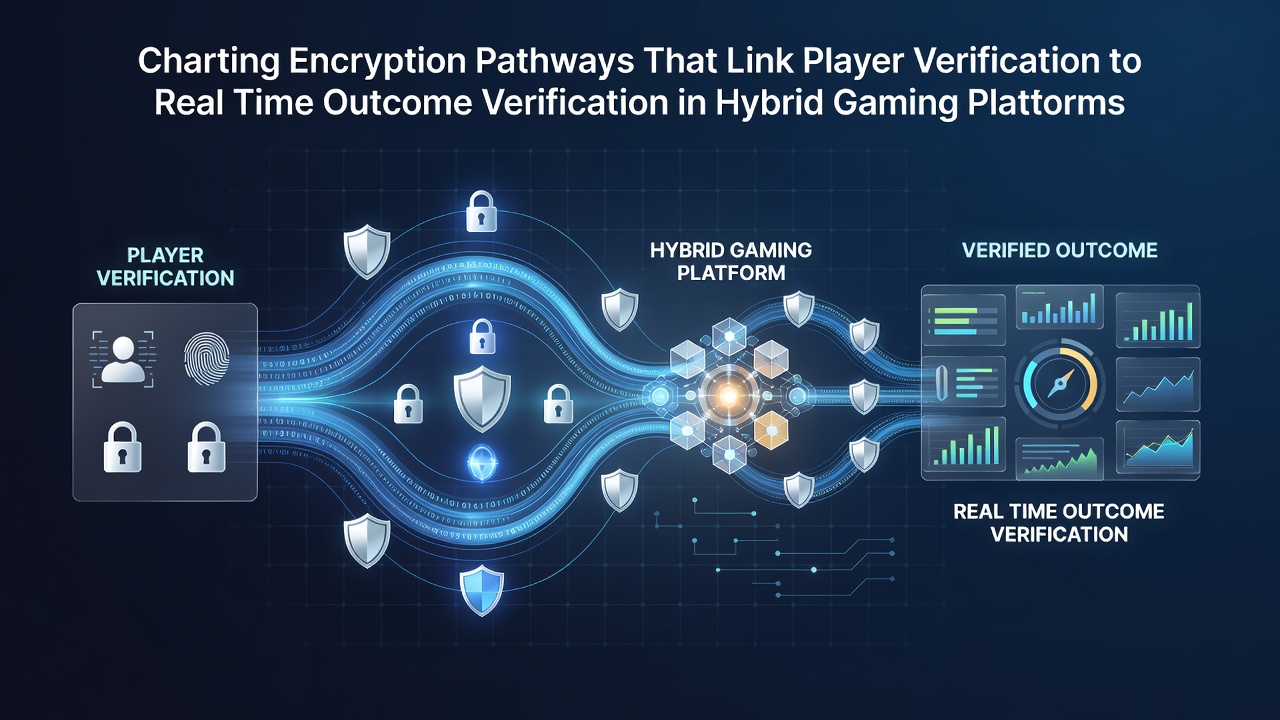 Hybrid gaming platforms combine physical casino elements with digital interfaces, which creates demand for robust encryption that connects player verification processes directly to real-time outcome verification. Data flows through encrypted channels to confirm identities while simultaneously validating game results as they occur, and this integration supports compliance across multiple jurisdictions. Observers note that platforms handling both mobile sessions and in-venue terminals rely on layered protocols to prevent tampering at either stage. Player verification begins with multi-factor authentication that incorporates biometric data alongside traditional credentials. Encryption standards such as AES-256 protect transmission of facial scans or fingerprint templates from device to server, while TLS 1.3 secures the handshake that establishes each session. Those who study these systems point out that hybrid setups often merge on-site RFID cards with app-based logins, requiring synchronized keys that update dynamically to block replay attacks. Real-time outcome verification builds on the same foundation by applying cryptographic hashes to random number generator outputs as they generate. Each spin or card draw receives an immediate digital signature that auditors can check against a stored ledger, and this process occurs within milliseconds to maintain seamless play. Research from industry reports indicates that platforms using blockchain-based timestamping achieve verifiable integrity without introducing noticeable latency. The pathways linking these two functions operate through centralized key management systems that assign unique session tokens to verified players. Once identity clears, the token travels alongside outcome data packets, allowing servers to cross-reference the player's profile with the result hash in a single encrypted transaction. Experts have observed that this approach reduces the window for interception, since any mismatch triggers an automatic session lock. Regulatory frameworks shape how these pathways develop, particularly in regions preparing for expanded hybrid operations by 2026. The Nevada Gaming Control Board publishes technical standards that mandate end-to-end encryption for both identity and result data, and similar guidelines appear in Canadian provincial oversight documents that emphasize audit trails spanning live and remote environments. Platforms must demonstrate that verification events and outcome records remain tamper-evident throughout the data lifecycle. One notable implementation involves elliptic curve cryptography for lightweight mobile devices, which pairs player biometrics with outcome seeds generated on secure hardware modules. This method allows hybrid terminals in physical locations to share encrypted logs with cloud-based verification engines, and figures from testing labs show error rates below 0.001 percent under peak load conditions. What's interesting is how these systems adapt when players switch between tablet and desktop interfaces mid-session without dropping the encrypted chain. Data segmentation plays a key role, as platforms isolate verification databases from outcome ledgers while permitting controlled queries through API gateways protected by mutual TLS certificates. According to reports issued by the Independent Gambling Authority in South Australia, such segmentation meets local requirements for responsible gaming checks that trigger in real time based on verified player activity patterns. Hybrid environments therefore maintain separate yet interconnected encryption layers that update independently yet remain synchronized via time-stamped tokens. Additional safeguards include continuous monitoring of packet integrity using message authentication codes that flag anomalies before they reach outcome servers. Researchers at technical conferences have documented cases where early detection prevented unauthorized alterations to live dealer streams integrated with slot mechanics. Those systems often incorporate quantum-resistant algorithms in pilot phases, preparing infrastructure for future computational threats projected around 2026 and beyond. Hybrid platforms also address cross-border data flows by employing region-specific encryption modules that comply with local privacy statutes. A player verified in one jurisdiction can access outcomes validated under another set of rules, provided the token carries jurisdiction flags that the receiving server decrypts and enforces automatically. This capability supports tourism-driven gaming while preserving the integrity of each verification step.
 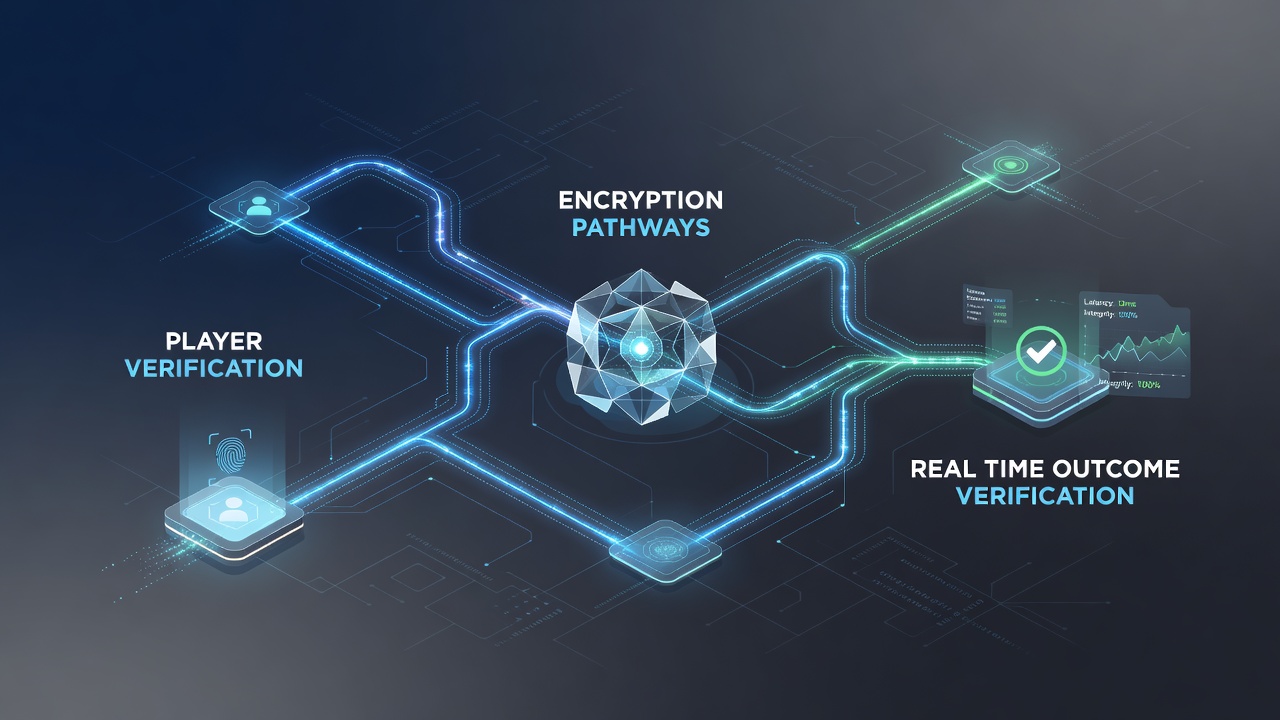 Testing protocols require independent laboratories to simulate attacks on both verification and outcome stages simultaneously, confirming that encryption pathways hold under coordinated stress. Results from these evaluations feed into certification renewals that platforms must complete annually, and data compiled by the Alcohol and Gaming Commission of Ontario reveals consistent improvements in detection speed across successive audit cycles. Such findings encourage further refinement of key rotation schedules that limit exposure windows. Integration with incentive programs adds another dimension, since reward eligibility depends on verified play history that must align with outcome records. Encrypted audit logs allow platforms to calculate bonuses without exposing raw player data, and this separation satisfies data minimization principles embedded in multiple regulatory codes. Platforms operating across state lines in the United States often reference these methods when demonstrating compliance during licensing reviews. Future developments point toward greater use of homomorphic encryption, which permits computations on encrypted outcome data without decryption, thereby strengthening links to player verification modules. Early deployments in European test markets have shown promise for maintaining privacy while enabling instant fairness checks, and industry associations continue to track adoption rates ahead of broader rollout timelines.