Decoding Certification Pathways That Validate Fairness Across Digital Table and Slot Ecosystems
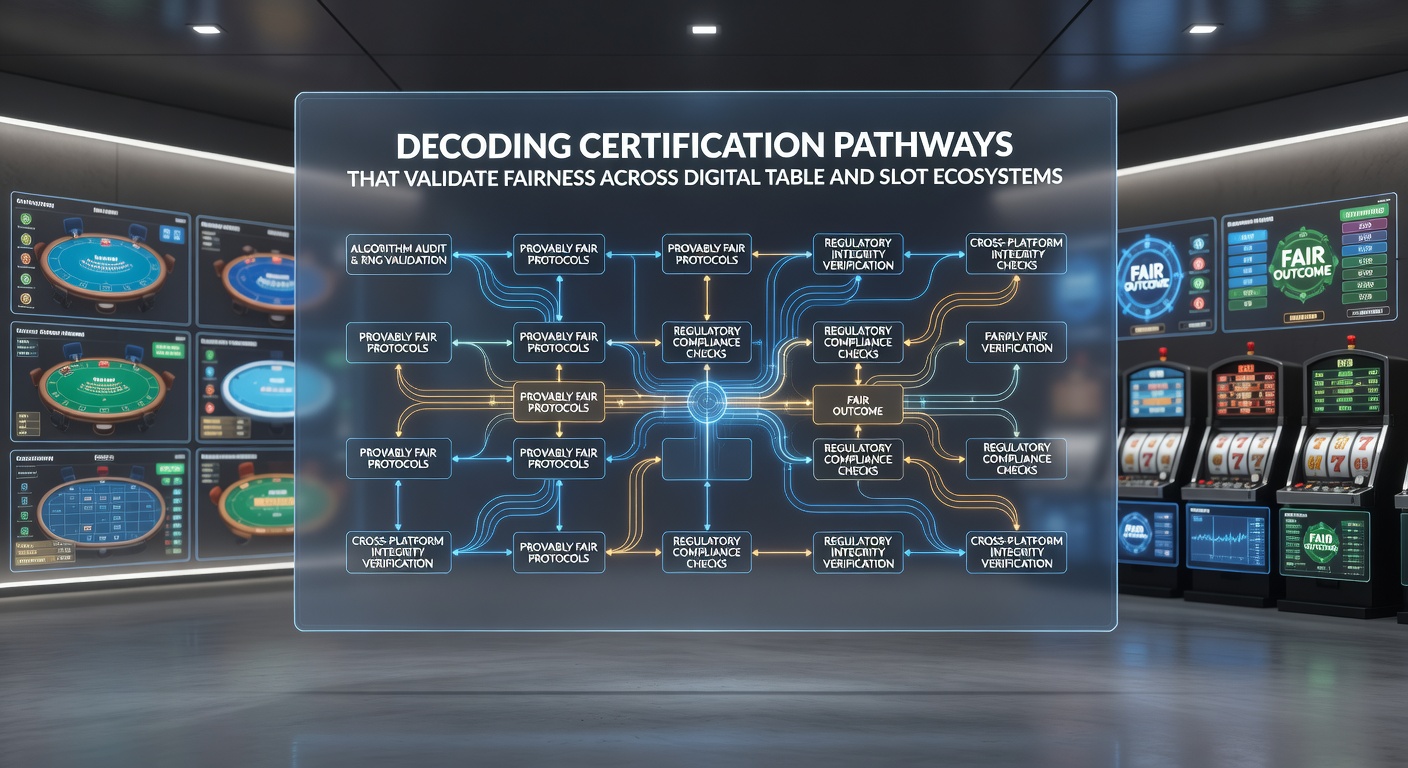
Certification pathways for digital table and slot ecosystems rely on structured testing protocols that independent laboratories apply to verify random number generators, return-to-player percentages, and game logic integrity before platforms release titles to players, and these processes continue through regular audits that maintain compliance across jurisdictions. Researchers at established testing facilities examine source code submissions, simulate millions of game rounds, and confirm that outcomes align with declared mathematical models while regulators track adherence to regional standards.
Core Components of Fairness Validation
Independent labs such as Gaming Laboratories International evaluate both slot mechanics and table game simulations by running statistical analyses that measure distribution uniformity, cycle length compliance, and absence of predictable patterns, and the same facilities apply similar scrutiny to live dealer feeds where applicable through monitoring equipment and data logging systems. Data from these evaluations feed into formal reports that operators submit to licensing authorities, creating a documented chain that links initial approval to ongoing operational oversight.
Slot ecosystems undergo specific checks for volatility profiles and hit frequency calculations, whereas digital table environments focus on card shuffling algorithms, wheel bias detection, and dealer interaction timing, yet both categories share the requirement for sealed audit trails that prevent post-certification modifications without retesting. Observers note that this dual-track approach accommodates the distinct mathematical foundations of each game type while upholding a unified standard for player protection.
Stepwise Certification Pathways
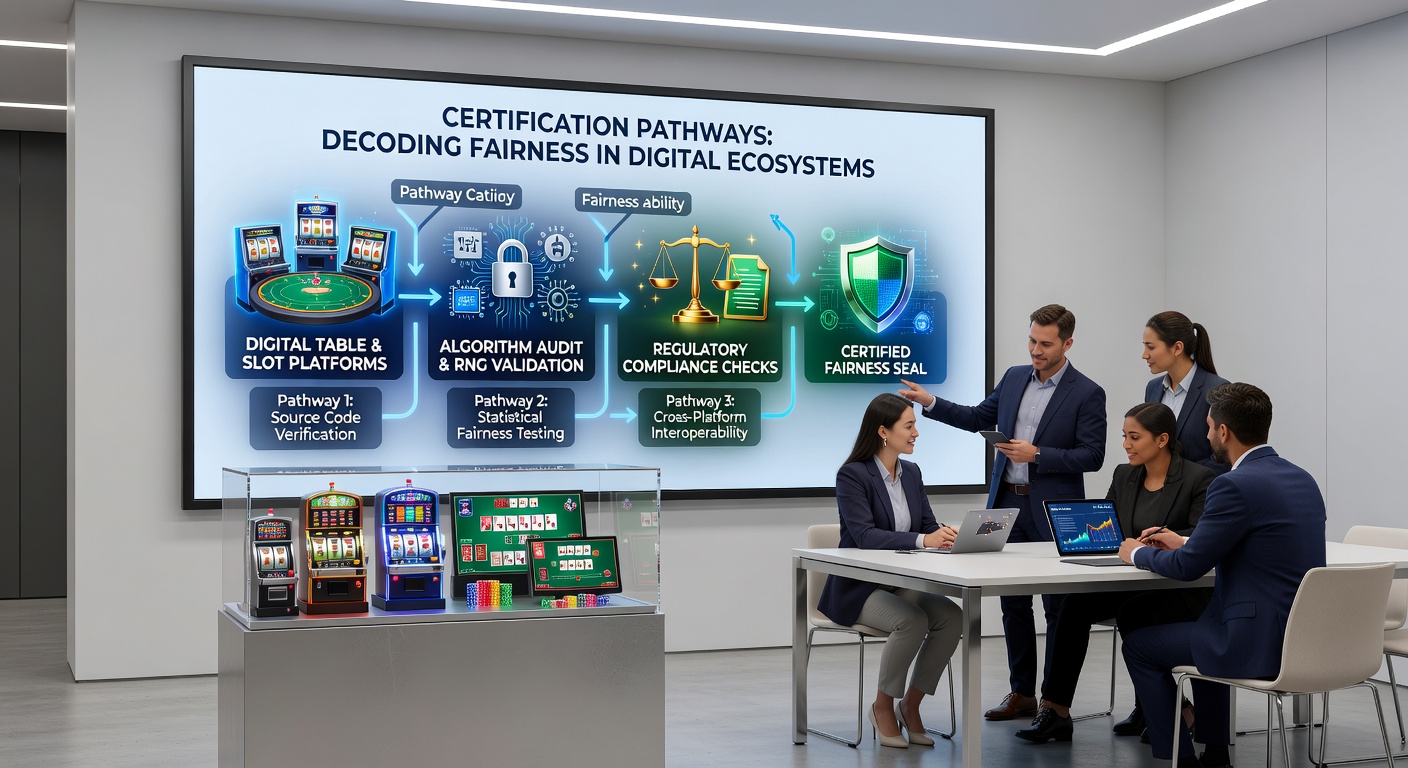
Developers begin by submitting complete game builds to accredited labs, where engineers conduct source code reviews and compile lists of potential vulnerabilities, adn once preliminary issues receive resolution the process advances to extended RNG testing phases that generate terabytes of outcome data for statistical validation. Laboratories then issue interim findings that allow iterative refinements before final certification documents receive approval, at which point regulators receive copies for jurisdictional endorsement.
Table game pathways incorporate additional layers such as video stream integrity checks and dealer protocol verification, because live elements introduce variables that pure RNG systems avoid, and these steps often extend timelines by several weeks compared with slot-only submissions. The sequence ensures that both automated and human-involved games meet identical fairness benchmarks even though their operational structures differ substantially.
Regional Regulatory Integration
Authorities in multiple jurisdictions accept certifications from recognized labs while imposing supplementary requirements that reflect local priorities, and the Malta Gaming Authority for instance maintains a registry of approved testing partners that operators must use when targeting European markets. Nevada regulators similarly require GLI or comparable lab reports for any game offered within state-licensed online platforms, creating parallel but non-identical approval routes that developers navigate based on target geography.
Cross-border operators therefore maintain portfolios of certifications that satisfy overlapping yet distinct criteria, and updates to technical standards announced for implementation in May 2026 will further align certain testing methodologies across these regions without eliminating jurisdiction-specific nuances. This evolving framework allows platforms to demonstrate compliance through a single core report supplemented by targeted addenda.
Ongoing Monitoring and Re-Certification
After initial approval, platforms submit periodic performance data that labs compare against original benchmarks, and any deviation beyond defined thresholds triggers deeper investigation or mandatory retesting. These surveillance mechanisms detect drift in RNG behavior or changes introduced through software updates, thereby preserving fairness across extended operational periods.
Industry associations coordinate best-practice sharing among labs and regulators, which helps standardize reporting formats and accelerates identification of emerging technical risks, and academic studies published by university gaming research centers provide independent benchmarks that supplement commercial lab findings. Such collaboration strengthens the overall validation ecosystem without replacing the formal certification pathway.
Conclusion
Certification pathways that validate fairness across digital table and slot ecosystems combine rigorous initial testing with continuous monitoring, regional regulatory alignment, and collaborative standard development that together sustain player trust in online gaming environments. As technical standards advance toward May 2026, laboratories and regulators continue refining protocols to address new game formats and delivery methods while preserving core principles of transparency and statistical integrity.