Exploring Links Between Deposit Options and Fairness Checks in Smartphone Reel and Dealer Platforms

Smartphone platforms offering reel games and live dealer tables maintain connections between deposit methods and the fairness verification systems that operate behind the scenes, where payment channels often intersect with regulatory compliance checks and technical audits. Observers note that instant deposit options such as e-wallets and certain digital payment services frequently trigger streamlined identity confirmations, whereas traditional bank transfers require additional documentation layers that align with ongoing game certification processes.
Payment Pathways and Verification Overlaps
Deposit choices shape how platforms conduct fairness checks because each method carries distinct data requirements that feed into broader compliance frameworks. Credit card transactions, for instance, generate immediate authorization signals that platforms cross-reference against player accounts, while cryptocurrency deposits introduce blockchain verification steps that demand separate audit trails. Research indicates these differences influence the timing of random number generator validations and return-to-player calculations that independent testing laboratories perform on a regular basis.
Those who monitor mobile gaming ecosystems find that e-wallet providers often integrate API connections with gaming operators, allowing real-time data sharing that supports both transaction security and fairness reporting. In contrast, slower settlement methods create extended windows during which platforms must maintain continuous certification status to satisfy oversight bodies. Data shows this synchronization helps ensure reel mechanics and dealer shuffles remain consistent regardless of funding source.
Regulatory Requirements Across Regions
Agencies in multiple jurisdictions establish standards that tie deposit processing directly to fairness protocols. The Pennsylvania Gaming Control Board publishes guidelines requiring operators to demonstrate that payment verification systems do not compromise the integrity of certified games, with specific attention to mobile applications handling both slots and live dealer sessions. Similar frameworks appear in other markets where authorities review how deposit speed affects the frequency of external audits.
June 2026 marks the scheduled implementation of updated technical standards in several North American and Asian markets, where regulators plan to require enhanced logging of deposit-to-gameplay sequences. These changes aim to strengthen traceability between funding methods and the certified random outcomes that players encounter on smartphone screens.
Technical Integration in Mobile Environments
Developers design mobile reel and dealer platforms so that deposit options interface with backend fairness modules without introducing latency or bias. Live dealer streams rely on certified hardware randomizers whose outputs remain independent of payment processing, yet the initial account funding step often initiates a compliance check that confirms the platform's overall certification status. Reel games follow parallel procedures where RNG seeds undergo periodic testing irrespective of whether players use instant transfers or scheduled bank clearances.
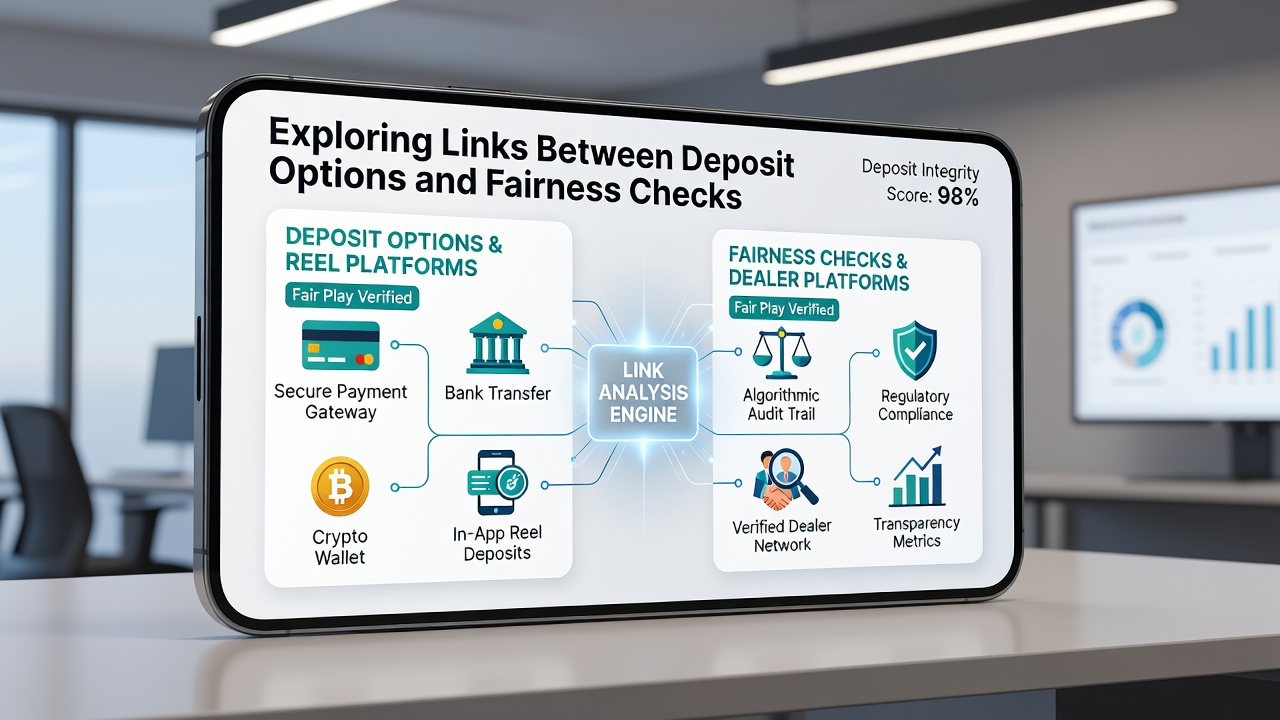
Software providers collaborate with payment processors to embed fairness-related metadata into transaction records, creating audit-ready logs that regulators can examine during routine reviews. This integration allows platforms to demonstrate that variations in deposit speed do not alter game mathematics or dealer procedures.
Industry Reports and Certification Practices
Industry reports from organizations such as the European Gaming and Betting Association highlight how operators document deposit method impacts within their annual compliance submissions. These reports detail the steps platforms take to ensure that fairness checks remain uniform across all funding channels, including those that operate on different settlement timelines. Figures reveal that laboratories conducting RNG and live game audits receive supplementary data on payment verification workflows to confirm no interference occurs.
One documented case involved a multi-state operator that adjusted its mobile application to route cryptocurrency deposits through an additional compliance layer, resulting in synchronized fairness reporting that matched the timelines used for credit card transactions. Such adjustments illustrate how platforms adapt deposit processes to maintain consistent certification standards.
Future Developments and Compliance Trends
Emerging technologies continue to refine the relationship between deposits and fairness verification, with biometric authentication methods appearing in newer smartphone applications. These tools accelerate identity checks while feeding directly into the documentation required for ongoing game certifications. Observers note that platforms adopting these methods report smoother alignment between transaction approvals and the periodic testing schedules mandated by regulatory bodies.
Academic research from institutions examining digital gambling infrastructure further explores how payment diversity influences the design of fairness monitoring systems, particularly as live dealer technology expands across mobile networks. The data gathered supports refinements in how operators log and report compliance metrics.
Conclusion
Deposit options and fairness checks maintain measurable connections within smartphone reel and dealer platforms, where payment processing requirements intersect with technical certification and regulatory oversight. Evidence from multiple jurisdictions demonstrates that platforms coordinate these elements to preserve game integrity across varying transaction speeds and verification depths. As standards evolve toward 2026, the documented practices show continued emphasis on traceable, uniform fairness protocols regardless of chosen deposit method.