Global Shifts in Access Protocols Reshaping Participation in Online Gaming Ecosystems
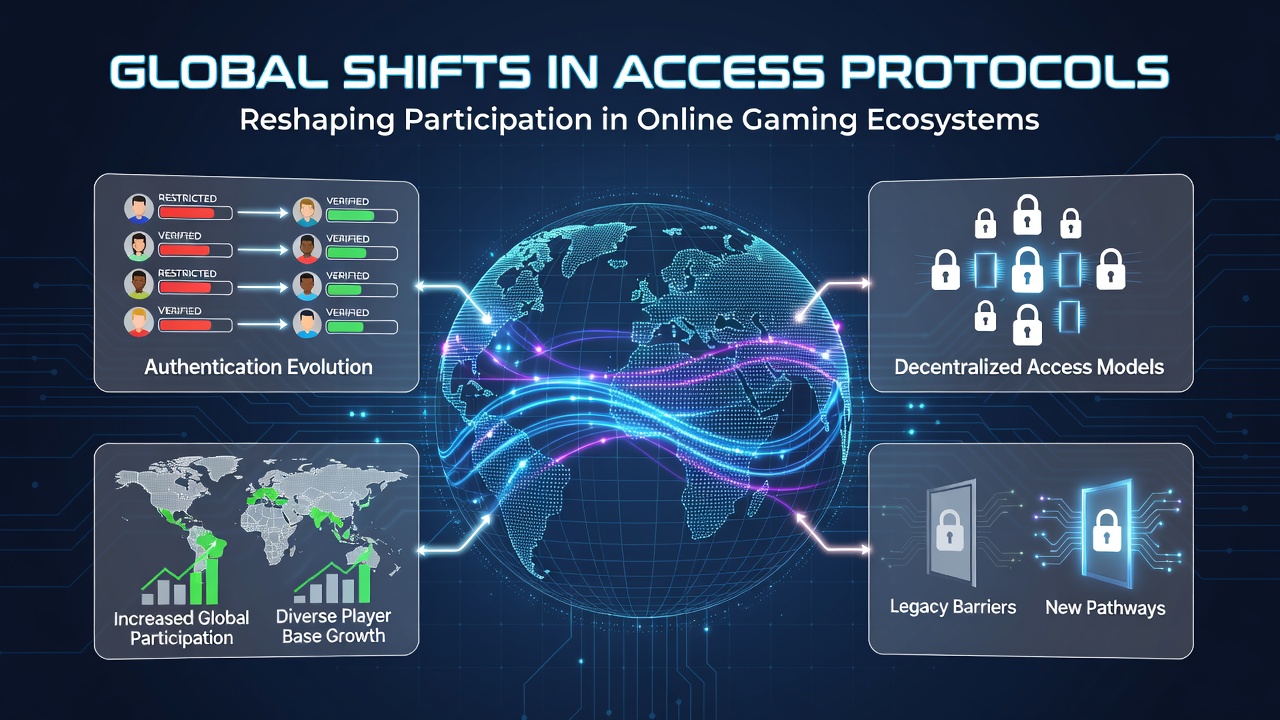
Access protocols in online gaming have undergone measurable transformations over recent years as regulators and platform operators introduce new verification layers, regional restrictions, and authentication standards that directly influence who can participate and how frequently. These changes affect player registration processes, payment integrations, and session continuity across multiple jurisdictions while data from industry reports tracks corresponding shifts in user engagement metrics.
Regional Regulatory Updates Driving Protocol Adjustments
European authorities implemented enhanced digital identity checks in several member states throughout 2025 that require cross-referencing of user information against national databases before granting access to gaming platforms, and similar measures appeared in parts of Asia and North America where governments updated licensing conditions to include real-time location verification. In June 2026 authorities in select Australian territories expanded mandatory age-gating systems that integrate with banking records, creating additional steps for account activation that reduced initial signup volumes according to platform operators reporting to local gaming commissions.
North American states continued to refine geo-fencing requirements tied to individual licenses, which means operators must maintain separate access rules for each regulated market rather than applying uniform protocols across an entire country. Canadian provincial regulators introduced updated standards for multi-factor authentication in early 2026, while certain US state gaming boards aligned their verification timelines with federal digital identity frameworks that had been under development since 2024.
Impact on Player Participation Patterns
Studies conducted by research groups affiliated with gaming trade associations show that stricter access protocols correlate with slower growth rates in new account creation across several markets, although retention among already-verified users remains relatively stable once the initial onboarding hurdles are cleared. Platforms that adopted unified authentication systems across multiple jurisdictions reported higher completion rates for returning players compared with those maintaining fragmented regional logins.
Technology Integration and Verification Methods
Biometric options and document-scanning tools have become standard components of many access protocols as operators seek to meet compliance demands without extending session delays, and partnerships with identity technology providers accelerated after 2025 when several large platforms integrated third-party services for automated checks. Data indicates that mobile-based verification flows now account for a growing share of successful registrations, particularly in regions where smartphone penetration exceeds desktop usage among gaming audiences.
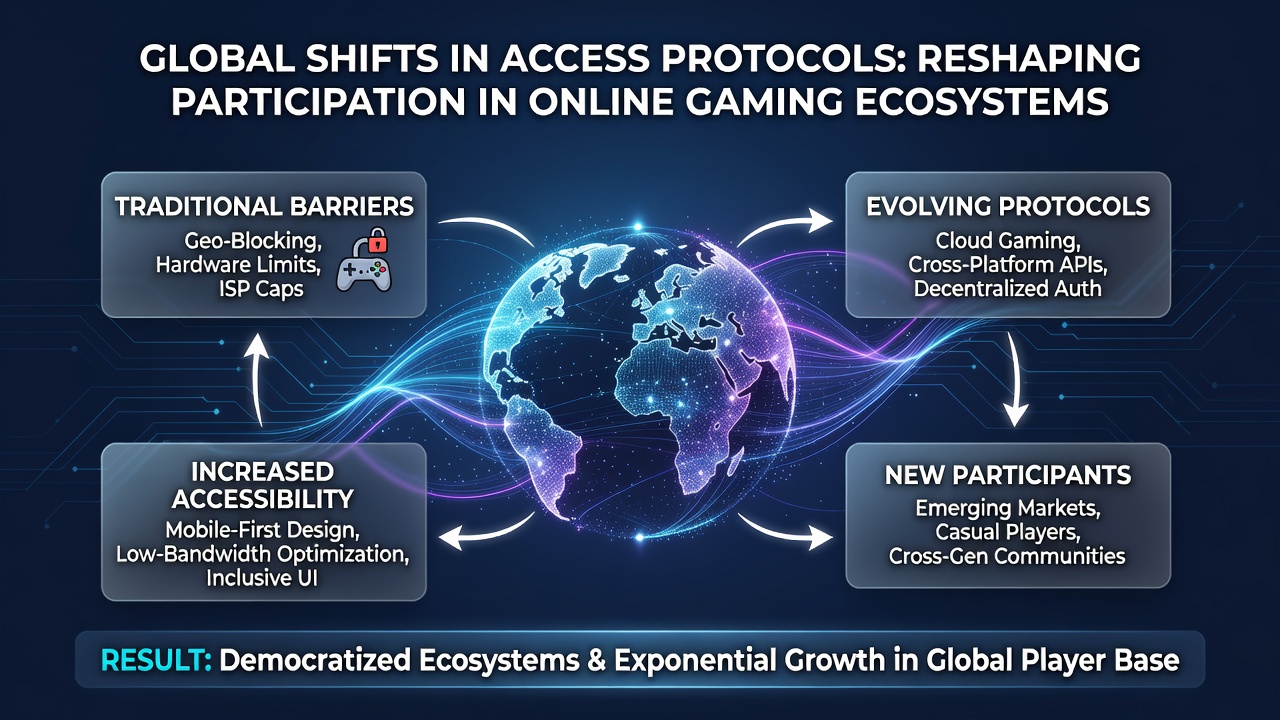
Observers note that cloud-based compliance platforms allow operators to update access rules across multiple territories simultaneously when new regulations take effect, reducing the need for manual intervention on a market-by-market basis. This approach has proven useful in environments where licensing conditions evolve rapidly, such as emerging markets in Latin America that introduced their first comprehensive online gaming frameworks between 2024 and 2026.
Cross-Border Access and VPN Considerations
Many jurisdictions have clarified rules around virtual private network usage in connection with gaming access, with some regulators explicitly prohibiting circumvention of geo-restrictions while others focus enforcement on operator-side detection rather than individual user penalties. Industry reports from organizations tracking global gaming trends document that platforms investing in advanced IP and device fingerprinting technologies experienced fewer instances of unauthorized cross-border logins after implementing these tools in 2025.
Participation data from markets with mature regulatory environments suggests that clearly communicated access boundaries encourage users to engage through licensed channels instead of seeking workarounds, although transition periods following new rule announcements often show temporary dips in activity before stabilization occurs. European and Asian operators have shared compliance strategies through international forums, leading to some convergence in technical standards even when underlying legal frameworks differ.
Future Protocol Developments Expected by Late 2026
Upcoming changes scheduled for implementation before the end of 2026 include expanded requirements for ongoing identity re-verification at set intervals in certain jurisdictions, alongside pilot programs testing decentralized identity solutions that allow users to control how their data is shared across platforms. Research institutions monitoring these developments indicate that early trials of such systems have shown potential for reducing redundant verification steps while maintaining regulatory compliance levels.
Operators continue to adjust backend systems in anticipation of these shifts, with many prioritizing modular protocol designs that permit rapid reconfiguration when new access rules are announced by licensing bodies. Figures from trade publications reveal that investment in compliance infrastructure has increased steadily since 2023, reflecting the growing complexity of managing participation across fragmented global markets.
Conclusion
Global access protocol changes continue to influence how users enter and remain active within online gaming ecosystems, with regional regulatory actions, technological integrations, and cross-border policy clarifications forming the primary drivers of these developments. Data collected through mid-2026 demonstrates measurable effects on registration volumes and engagement patterns, while ongoing standardization efforts among operators suggest further refinements ahead as markets adapt to evolving compliance landscapes.