Mapping Secure Transaction Pathways That Power Mobile Live Dealer Encounters and Slot Sessions While Upholding Platform Standards
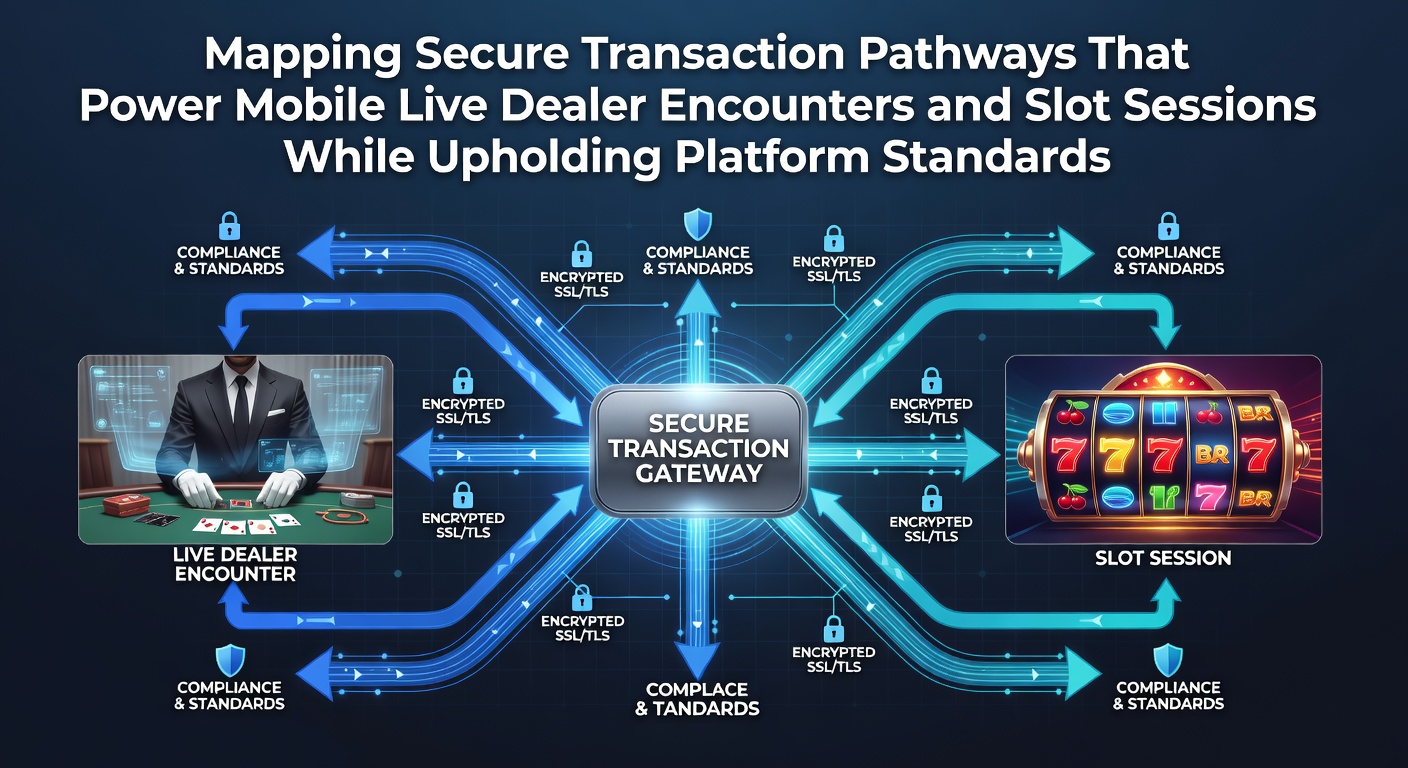 Experts map transaction pathways in mobile gaming environments by tracing data from user devices through encrypted gateways to backend processors while maintaining compliance with international security benchmarks. These pathways handle everything from instant wagers in live dealer tables to rapid spin resolutions in slot games and rely on layered protocols that prevent interception during high-speed exchanges. Regulatory frameworks from bodies such as the Nevada Gaming Control Board and Australia's National Broadband Network standards require continuous verification at each node so funds move without exposing sensitive details. Tokenization replaces card numbers with unique identifiers that expire after single sessions and this approach reduces exposure points across both Android and iOS platforms.
Core Components of Secure Pathways
Secure pathways begin at the device level where biometric authentication or multi-factor prompts initiate every transaction sequence. Once verified the system routes requests through TLS 1.3 channels that encrypt payloads in transit and prevent replay attacks common in mobile networks.
Live dealer encounters demand sub-second latency for card reveals and bet placements so pathways incorporate dedicated content delivery networks positioned near player regions. Slot sessions generate thousands of micro-transactions per minute and these routes prioritize batch processing that still meets real-time audit requirements set by platform operators.Technology Layers Supporting Real-Time Interactions
API gateways act as checkpoints that validate each request against session tokens before forwarding data to payment processors. Researchers at institutions including the University of Nevada, Reno have documented how these gateways integrate with hardware security modules that store cryptographic keys offline.
Blockchain ledgers appear in select systems to create immutable records of transfers although most operators combine them with traditional databases for faster reconciliation. Data shows that hybrid models cut dispute resolution times by integrating timestamps from both sources.

Compliance Mechanisms Across Jurisdictions
Platform standards draw from PCI DSS requirements that mandate annual audits and vulnerability scans on all transaction endpoints. In May 2026 several operators plan upgrades to quantum-resistant algorithms in anticipation of evolving threats noted in reports from the European Gaming and Betting Association.
Geographic routing rules ensure that transactions originating in one region route only through licensed processors approved by local authorities such as the Alcohol and Gaming Commission of Ontario. Observers note that these rules prevent cross-border data flows that could violate privacy statutes while still allowing seamless gameplay for international users.
Case Examples of Pathway Implementation
One operator integrated edge computing nodes near major mobile carriers to shave milliseconds off live dealer response times without compromising encryption overhead. Another deployed machine learning models that flag anomalous betting patterns in slot sessions and trigger additional verification steps before funds transfer.
These implementations demonstrate how pathways adapt to volume spikes during peak hours while preserving audit trails required for regulatory reporting. Industry reports from the International Association of Gaming Regulators highlight that such adaptive systems maintain compliance rates above 99 percent across tested deployments.
Future Mapping Considerations
Emerging standards emphasize zero-trust architectures where every request undergoes fresh validation regardless of prior session history. Developers continue testing 5G-specific optimizations that bundle transaction packets with game state updates to reduce separate handshakes.
Those who track these developments point to collaborative pilots between telecom providers and gaming platforms as the next phase in pathway refinement. The focus remains on balancing speed with the rigorous checks that protect both operators and players under established platform rules.
Conclusion
Mapping these secure transaction pathways reveals a tightly coordinated system of encryption, tokenization, and regulatory checkpoints that sustain mobile live dealer and slot activities. Continued refinement through technological and compliance updates ensures these routes remain resilient as usage patterns evolve through 2026 and beyond.