Navigating Bonus Code Requirements Linked to Transaction Security in Slot and Table Hybrids
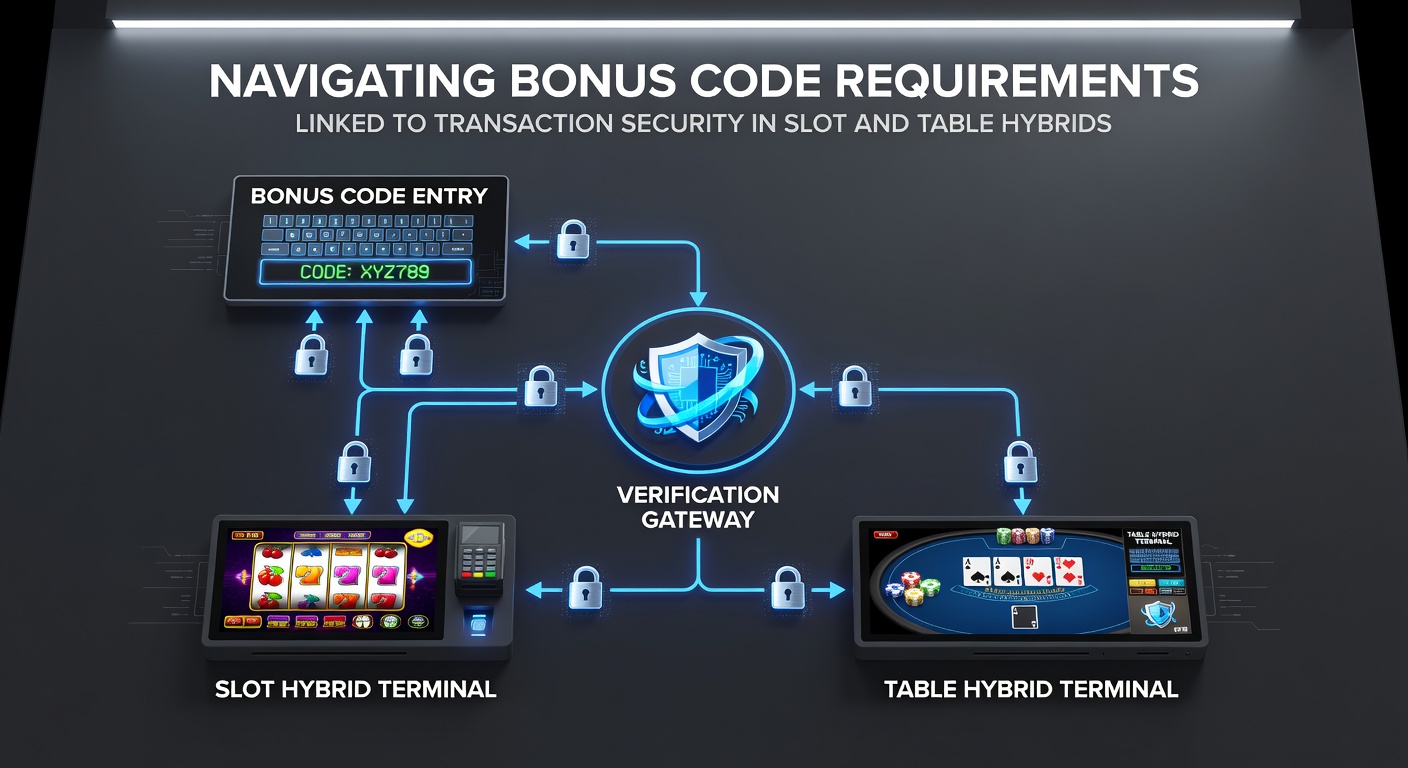
Slot and table hybrids combine reel mechanics with table game rules, creating formats that demand specific bonus code handling tied directly to payment verification steps. These games often appear on platforms where operators link promotional codes to encrypted deposit methods, ensuring each redemption aligns with regulatory standards for player fund protection. Observers note that such linkages reduce fraud exposure while players navigate multi-step authentication processes required before bonus funds activate across both slot spins and table decisions.
Hybrid Game Structures and Bonus Integration
Hybrid titles merge video slot progressions with blackjack or roulette elements, so bonus codes must account for varying bet structures that affect security protocols. Data from industry reports shows operators implement code requirements that verify transaction origins through tokenized payments, which prevents mismatched account activity during hybrid sessions. Those who study these systems find that codes frequently specify approved processors, forcing players to complete security checks like device fingerprinting before funds transfer to hybrid wallets.
Regulatory frameworks in multiple regions require operators to connect bonus eligibility to transaction logs, creating audit trails that cover both slot volatility and table outcome tracking. According to the Nevada Gaming Control Board, platforms must maintain records that tie each code redemption to verified payment channels, especially when hybrid games allow seamless switches between reel adn card-based betting. This approach maintains consistency across sessions that span different game types.
Transaction Security Protocols for Code Redemption
Security layers begin with two-factor authentication that operators attach to bonus code entry, requiring confirmation via mobile or email before hybrid game credits appear. Payment gateways process these steps using end-to-end encryption, which protects card details during the deposit that unlocks the code. Research indicates that failed security checks often block code activation entirely, directing players back to complete additional verification rather than allowing partial access.
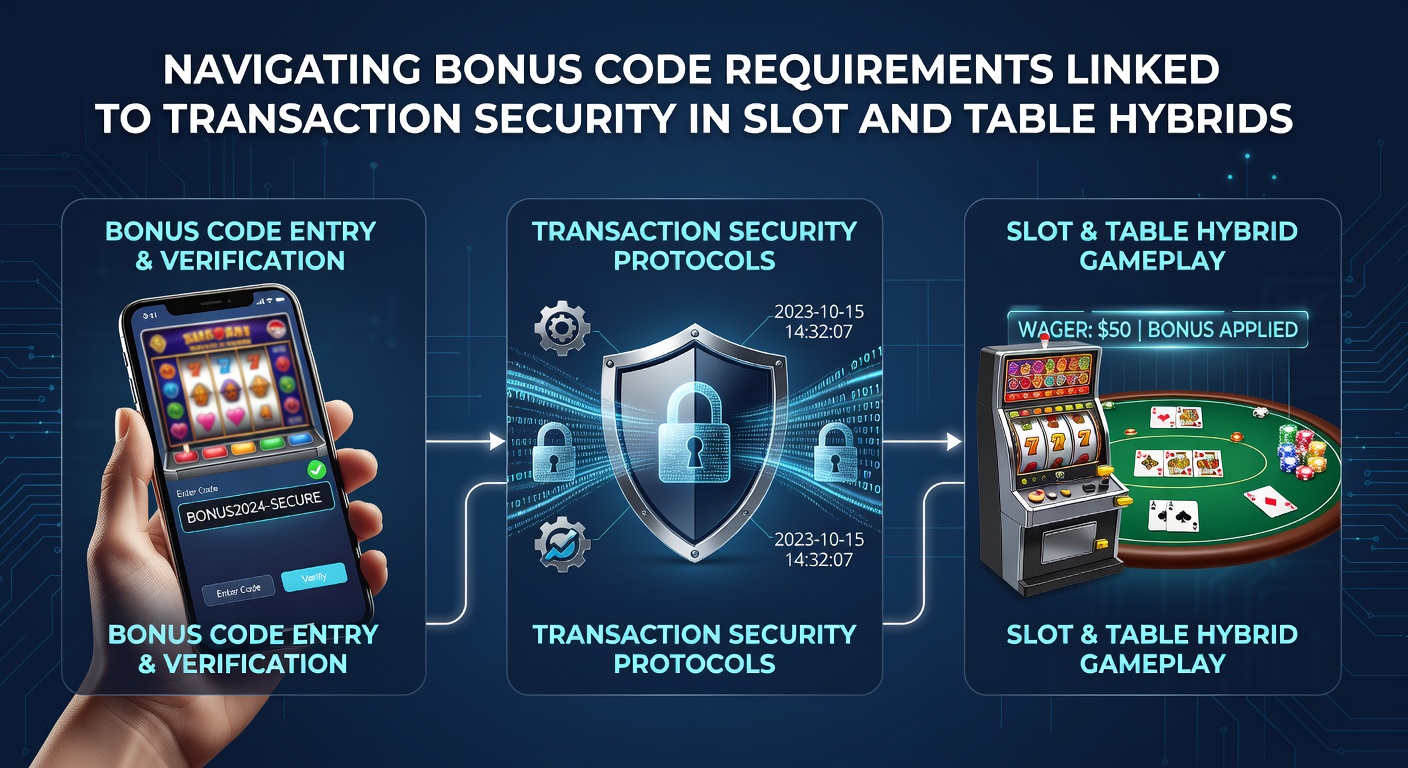
Many platforms now integrate real-time monitoring tools that flag unusual transaction patterns linked to bonus codes in hybrid environments. These tools cross-reference deposit amounts against game activity, ensuring slot and table elements do not trigger separate security flags. By May 2026, updates to cross-border payment rules are expected to expand these checks, requiring additional documentation for international transactions tied to hybrid promotions.
Regional Regulatory Approaches to Linked Requirements
European markets apply strict data protection rules that force operators to separate bonus code data from general transaction records while still maintaining linkage for audit purposes. Canadian provincial regulators emphasize player consent forms that explicitly cover how codes connect to payment security in hybrid formats, reducing disputes over fund allocation. Australian oversight bodies require annual security audits that test code redemption flows specifically within games blending slots and tables.
Operators respond by deploying unified dashboards where players review both bonus status and transaction history in one view, streamlining compliance without fragmenting the hybrid experience. Figures from the American Gaming Association reveal rising adoption of these integrated systems across North American sites, driven by the need to handle complex code conditions across diverse game libraries.
Practical Steps for Players Managing Code and Security Links
Players benefit from selecting payment methods pre-approved by the platform, since hybrid bonuses often restrict codes to certain processors that already meet encryption benchmarks. Completing identity verification before attempting code entry avoids delays when switching between slot reels and table interfaces. Documentation of each transaction step helps resolve any mismatches that arise during code validation periods.
Support teams at licensed sites provide guidance on matching bonus terms with transaction security settings, guiding users through device registration and payment token setup. Those who follow these sequences report smoother activations across hybrid titles, where code requirements can otherwise interrupt play flow between game modes.
Conclusion
Bonus code navigation in slot and table hybrids centers on synchronized transaction security measures that satisfy both operator policies and regional regulations. Platforms continue refining these connections through updated verification tools and audit processes, while players adapt by aligning their payment choices with code specifications from the outset. As standards evolve into 2026, the emphasis remains on maintaining clear linkages between promotional requirements and fund protection protocols across hybrid formats.