Primm's Final Curtain: Affinity Gaming Shuts Down Nevada's Last Casino Resort by July 2026

The Sudden Announcement Shakes Primm
Affinity Gaming dropped a bombshell this week, revealing plans to permanently shutter Primm Valley Resort and Casino—the very last casino resort standing in the dusty border town of Primm, Nevada—along with Buffalo Bill’s, Whiskey Pete’s, the Lotto Store, Primm Center gas station, convenience store, and even the Flying J truck stop, all effective July 4, 2026. Company officials sent WARN notices to employees that preceding Wednesday, setting off alarms in a community already hanging by a thread; those notices, which outline mass layoffs and closures, take full effect as of May 15, 2026, leaving workers scrambling for options in a remote spot where jobs have long revolved around these properties.
News3LV first broke the story, detailing how Affinity Gaming, which scooped up these venues back in 2019 after years of ownership shuffle, now sees no path forward; their report captures the raw shock rippling through Primm, a place once buzzing with cross-state gamblers chasing slots and thrills just off Interstate 15. And while the closures loom more than a year out, the May 2026 timeline for job impacts means families tied to employee housing face eviction pressures sooner, turning what was a steady gig into a ticking clock.
Employees Feel the Immediate Sting
Those WARN notices hit hard, affecting hundreds in a town where the casinos weren't just employers but lifelines; Primm Valley alone housed much of the workforce in on-site accommodations, so come May 15, 2026, displaced families must relocate, often to Las Vegas an hour away or across the border into California. Data from the Nevada Gaming Control Board shows Primm's properties employed around 500 people pre-pandemic, numbers that never fully rebounded, and now Affinity's move wipes that slate clean, pushing locals toward seasonal tourism spots or trucking gigs at the nearby Flying J—ironically, one of the sites closing too.
But here's the thing: observers note how these workers, many loyal for decades, built lives around 24/7 shifts and perks like free meals and housing; one long-timer shared with local outlets how the news landed like a gut punch during a quiet Wednesday shift, sparking urgent job hunts amid slim pickings in the Mojave Desert. Turns out, severance packages and relocation aid remain under negotiation, yet the uncertainty weighs heavy, especially with summer 2026 holidays set to empty the halls for good.
Why Primm Fades: Attractions Dim, Rivals Rise
Reduced draws tell the tale—think the outlet mall that shrank from 100 stores to a shadow of itself, or the Desperado roller coaster, once the world's tallest and fastest, that rusted away after closing in 2010; without those magnets, foot traffic dried up, while modern palaces in Las Vegas, Laughlin, and Mesquite siphon gamblers with luxe spas, high-limit rooms, and non-stop entertainment. Affinity Gaming cited these factors bluntly, pointing to a "perfect storm" of waning visitors and stiff competition that turned Primm's prime border location from goldmine to ghost town in waiting.
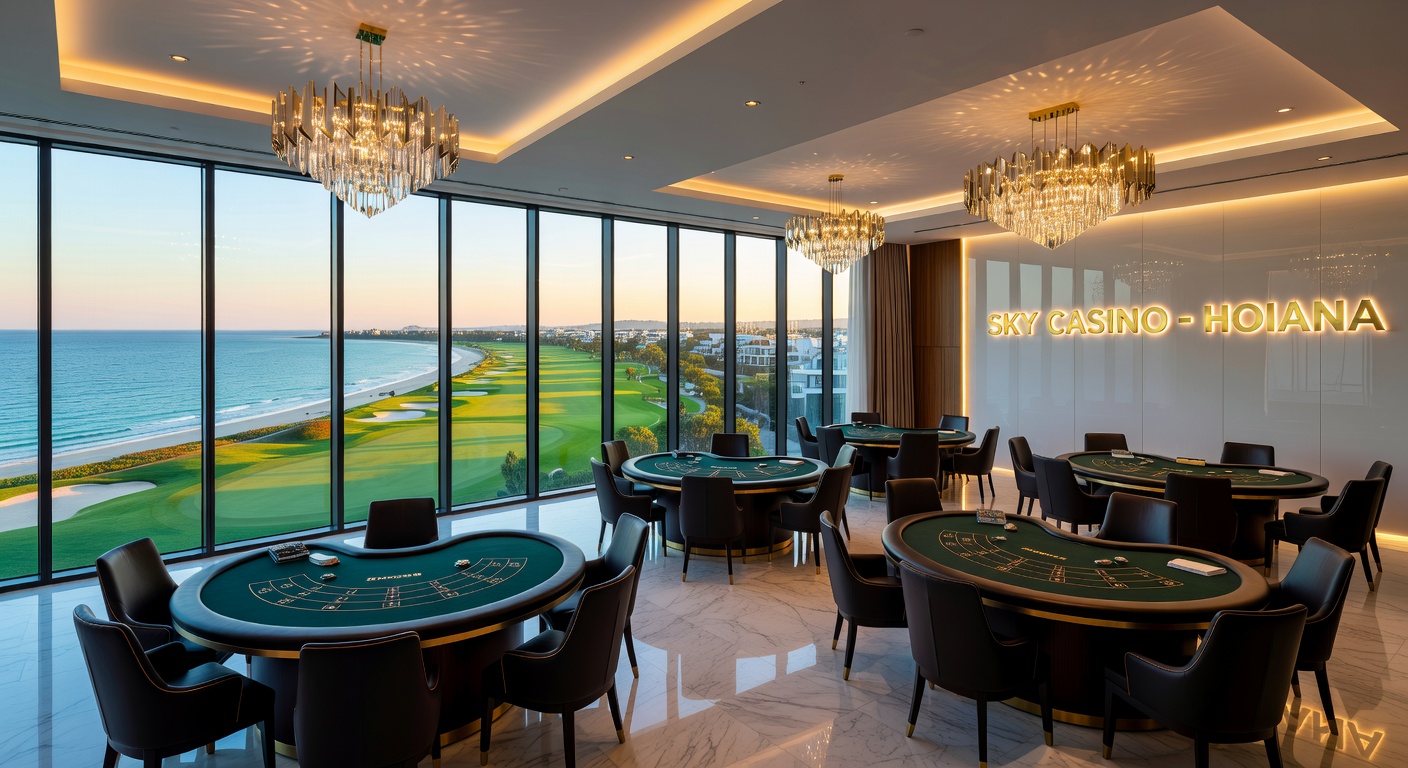
What's interesting is how data backs this: Nevada Gaming Control Board figures reveal Primm's coin-in dropped over 40% since 2019, mirroring trends in off-Strip properties where remote spots struggle against urban dazzle; experts who've tracked desert gaming towns observe that without reinvestment—like the $100 million Affinity poured in post-acquisition—the writing's on the wall, especially as electric vehicle charging hubs and online betting nibble at traditional stops. And although Primm boomed in the '90s with cheap gas, video poker, and that coaster thrill, today's travelers zip past on I-15, bound for brighter lights elsewhere.
Primm's Rollercoaster History: From Boom to Bust
Primm erupted in the late 1980s when Silk Road Investments transformed three roadside dives—Buffalo Bill’s with its cowboy flair, Whiskey Pete’s evoking old speakeasies, and Primm Valley (once Caesars World's Prize Mine)—into a triopoly luring California dreamers over the state line for looser slots and no state income tax. That Desperado ride, launched in 1996, rocketed visitors skyward at 80 mph drops, packing parking lots; coupled with the massive outlet mall and a 200-room hotel tower, the spots raked in millions, employing thousands and even featuring celebrity chef spots like Sammy's Hollywood Diners.
Yet shifts came fast: ownership flipped from MGM Mirage to Herbst Oil, then Affinity in 2019 for $140 million, promising revival through tech upgrades and marketing pushes; still, the pandemic slashed revenue 70% in 2020, per industry reports, and recovery stalled as remote work emptied highways. People who've studied Nevada's fringe markets, like researchers at UNLV's Center for Gaming Research, point to Primm as a cautionary case—where border advantages faded against Laughlin's river allure or Vegas's endless reinvention, leaving relics like the Lotto Store (famous for mega-jackpot chases) as nostalgic footnotes.
Ripple Effects on a Border Town's Economy
Primm's not just casinos; it's a pit stop for 30 million annual I-15 drivers, so axing the gas station, convenience store, and truck stop hits truckers needing fuel and R&R, potentially clogging alternatives like Nipton or Searchlight. Local tax rolls, which funneled millions to Clark County from gaming win, now crater, straining budgets for the tiny enclave's roads and services; county officials scramble for mitigation, eyeing solar farms or EV stations as pivots, although those lack the jobs punch of a full casino shift.
So while Affinity winds down operations methodically—slot machines powering off, hotel keys deactivated by Independence Day 2026—the void looms large for a community of 100 residents, many commuting from Vegas; observers note similar fates in places like Stateline or Jackpot, where closures sparked population drops of 20-30%, and here, with employee housing gone by May, the exodus accelerates. It's noteworthy that cross-border dynamics amplify this—Californians who flocked for 24/7 play now stay home, betting apps in hand, underscoring how digital shifts erode physical outposts.
Looking Ahead: Uncertain Horizons for Primm
Affinity hasn't ruled out sales, hinting buyers might revive chunks like the truck stop, yet the casino trio's fate ties to Nevada's licensing maze; the Nevada Gaming Control Board must approve any transfer, and with Primm's metrics dismal, suitors stay scarce. Community leaders pitch redevelopment—perhaps glamping sites or adventure parks leveraging the Mojave's wild side—but skeptics, drawing from Jackpot's stalled reboot, see slim odds without big capital.
Now, as May 2026 nears, employees pack up legacies built on neon and jackpots; the ball's in the developers' court, whether to dust off Primm or let it blend into the sands. Turns out, in gaming's brutal landscape, locations like this one teach hard lessons on adaptability, where yesterday's hotspot becomes tomorrow's memory.
Conclusion
Affinity Gaming's closure of Primm Valley Resort, Buffalo Bill’s, Whiskey Pete’s, and supporting outlets marks a definitive end for Nevada's last Primm casino holdout come July 4, 2026; with employee notices triggering May 15 impacts, the town confronts job losses, housing shakeups, and economic tremors from faded attractions and fierce rivals. History shows Primm's peaks and plunges mirror broader desert gaming woes, leaving observers to watch if reinvention sparks anew or silence settles in; data from state regulators underscores the stakes, as this border gem dims, reshaping I-15's familiar glow for good.