The Synchronization of Security Protocols with Incentive Programs in Portable Casino Applications
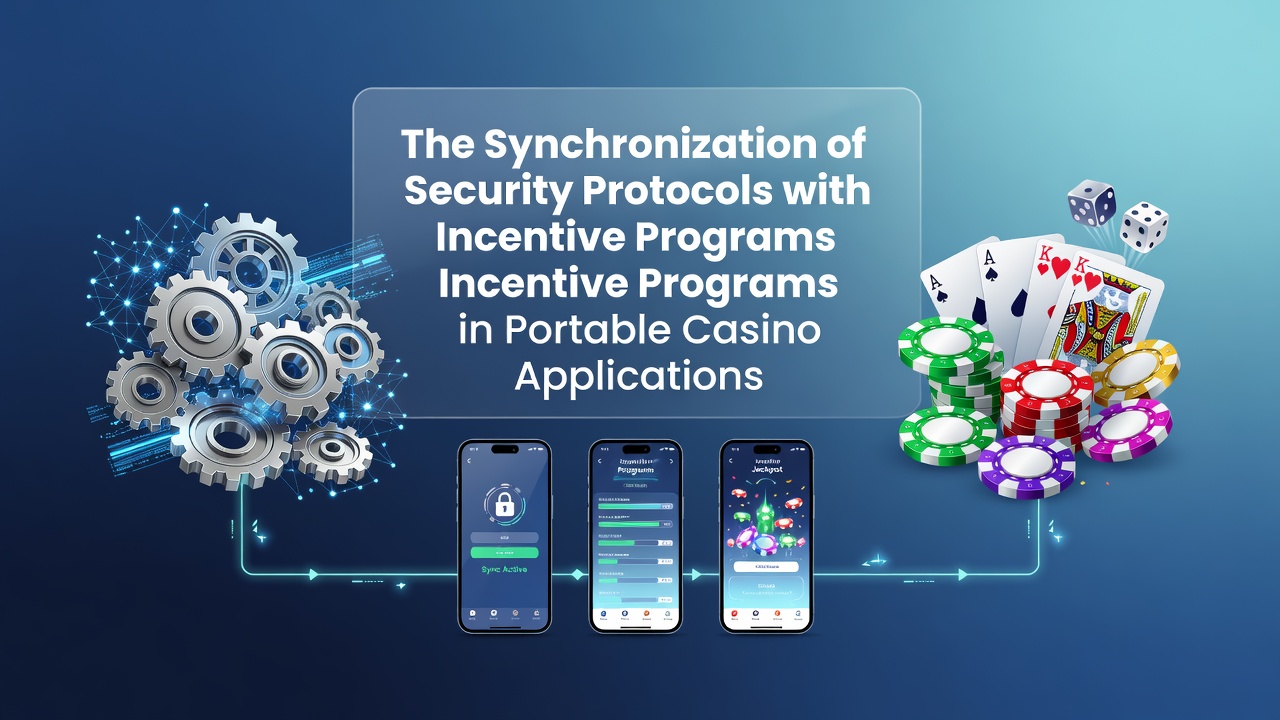
Portable casino applications have expanded rapidly across global markets, and operators now integrate security protocols directly with incentive structures to maintain both user trust and regulatory compliance. This synchronization addresses vulnerabilities that arise when reward systems interact with payment gateways, user authentication layers, and real-time transaction monitoring tools.
Core Components of Portable Casino Security Frameworks
Modern mobile platforms rely on multi-factor authentication combined with device fingerprinting and behavioral analytics, while encryption standards such as TLS 1.3 protect data in transit between player devices and backend servers. These measures operate continuously rather than as isolated checkpoints, which allows incentive programs to verify eligibility without exposing sensitive account details during bonus claims or loyalty point redemptions.
Regulatory bodies in various jurisdictions require documented proof that promotional offers cannot be exploited through scripted attacks or account sharing, so developers embed compliance checks inside the same code paths that calculate and distribute rewards. Data from industry audits shows that synchronized systems reduce fraud incidents by aligning verification timestamps with bonus activation windows.
How Incentive Programs Interface with Security Layers
Incentive mechanisms in portable applications typically include welcome packages, cashback tiers, and time-limited challenges that trigger upon meeting wagering thresholds. Each trigger point connects to backend validation routines that cross-reference player history against known risk profiles before releasing funds or credits. This connection prevents scenarios where automated scripts claim multiple bonuses across cloned accounts.
Operators achieve this linkage through API gateways that enforce rate limiting and token-based authorization, ensuring that a single device cannot initiate rapid successive claims without triggering additional identity confirmation steps. Research conducted by academic groups at institutions focused on digital trust systems indicates that such integrated designs lower false-positive rejection rates for legitimate users while maintaining high detection accuracy for anomalous patterns.
Technical Synchronization Methods in Practice
Developers employ event-driven architectures where security events such as login anomalies or unusual location changes automatically update the status flags attached to active promotions. When a flag changes, the incentive engine pauses reward accrual until manual or automated review clears the account. This approach keeps promotional databases synchronized with live security feeds without requiring separate batch processes that could introduce delays.
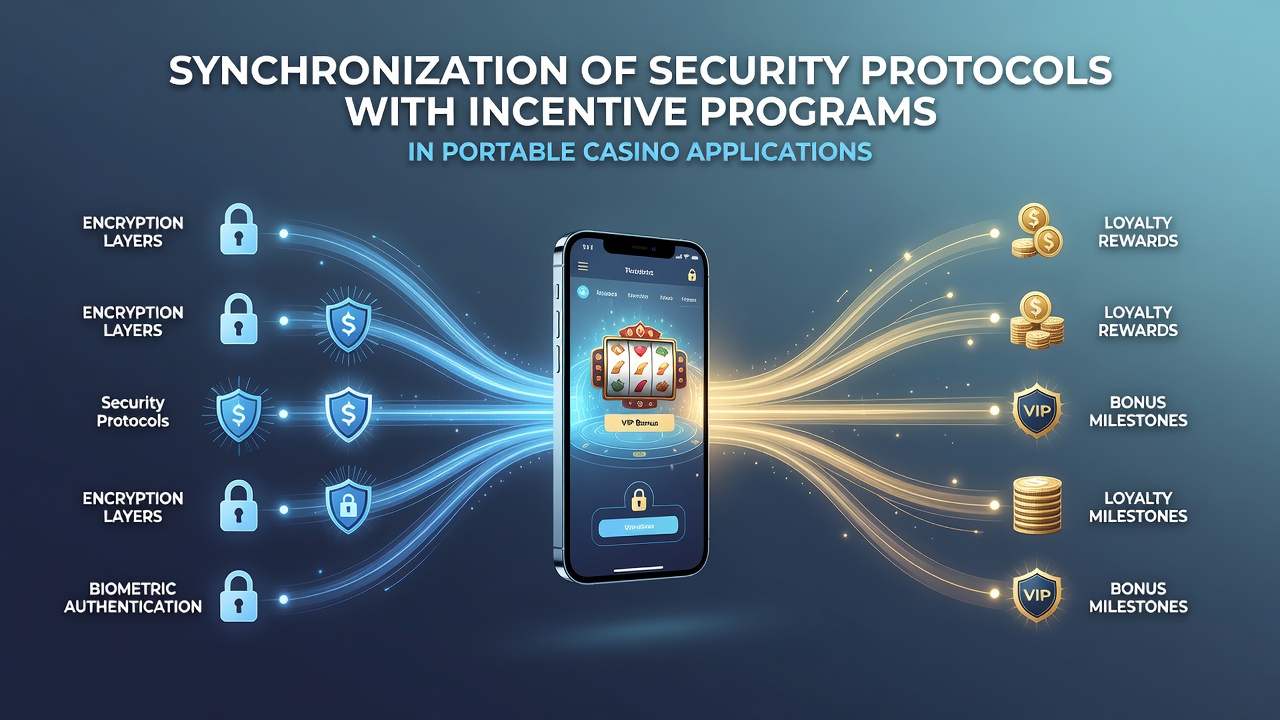
Tokenization plays a central role as well, because temporary access tokens issued during authenticated sessions carry embedded metadata about current incentive eligibility. Any attempt to replay or modify these tokens fails cryptographic checks that run at the security layer before the incentive logic executes. Figures released by gaming technology suppliers reveal that token-embedded validation cuts processing overhead by nearly 30 percent compared with earlier decoupled designs.
Regulatory Influences and Regional Variations
Authorities in North America and parts of Asia continue to refine guidelines around digital incentive transparency, requiring operators to demonstrate that security controls scale alongside promotional complexity. In June 2026 several jurisdictions plan to enforce updated reporting standards that mandate audit trails linking every bonus payout to its originating security verification event.
These forthcoming rules build on existing frameworks from bodies such as the Nevada Gaming Control Board and the Australian Communications and Media Authority, which already demand evidence that incentive systems cannot bypass core authentication protocols. Industry associations including the International Association of Gaming Regulators have published position papers outlining best practices for maintaining this alignment across multi-jurisdictional deployments.
Emerging Patterns and Implementation Examples
One documented implementation involves a major operator that embedded geofencing data directly into its loyalty tier progression engine, so players moving outside approved regions experience automatic suspension of point accumulation until location status normalizes. Another example features real-time risk scoring models that adjust maximum bonus caps for accounts showing elevated threat indicators, all without interrupting the visible user interface.
Observers note that these patterns reduce support ticket volumes related to disputed rewards, because the underlying synchronization provides clear timestamps and decision logs that resolve disputes faster. External analyses from research firms tracking iGaming infrastructure confirm measurable improvements in both player retention metrics and compliance audit pass rates when synchronization reaches this level of integration.
Conclusion
The synchronization of security protocols with incentive programs in portable casino applications continues to evolve through tighter integration of authentication, encryption, and reward logic. Regulatory timelines set for June 2026 and beyond will likely accelerate adoption of these unified approaches, while ongoing technical refinements keep pace with emerging threat vectors. Operators that maintain this alignment demonstrate measurable gains in operational efficiency and regulatory standing across multiple markets.