Tracing the Impact of Artificial Intelligence on Personalized Game Recommendations Within Digital Casino Environments
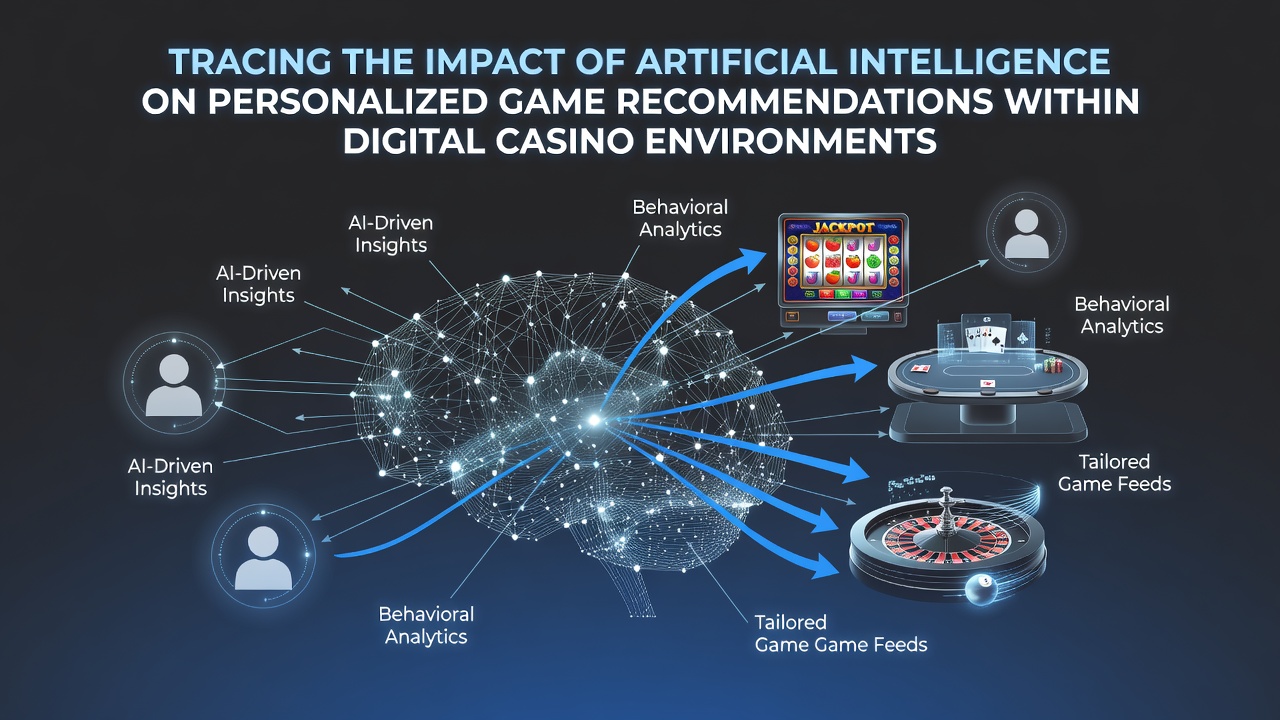
Artificial intelligence has reshaped how digital casino platforms deliver game suggestions to users by processing vast datasets on playing patterns, session durations, and preference indicators, and observers note that these systems now operate across mobile apps and desktop environments alike. Researchers at various institutions have documented the shift from generic recommendation engines to models that adapt in real time, drawing on variables such as bet sizes, game categories explored, and time-of-day activity logs, while industry reports indicate that adoption rates climbed steadily through 2025.
Core Mechanisms Driving AI Recommendations
Machine learning frameworks analyze historical interactions to cluster users into segments based on risk tolerance, volatility preferences, and thematic interests, and data from platform operators shows that collaborative filtering techniques combine with content-based approaches to refine outputs. Neural networks process sequences of past choices to predict next selections, allowing systems to surface titles that align with demonstrated habits rather than broad demographic assumptions, whereas reinforcement learning components test and adjust suggestion weights after each interaction cycle.
Those who have examined the underlying codebases explain that feature engineering often incorporates session length metrics alongside deposit frequency signals, creating profiles that evolve without manual intervention, and figures from multiple operators reveal average recommendation accuracy improvements of 25 to 40 percent after initial model deployments. Integration with player tracking databases occurs through secure APIs that maintain compliance with data protection standards across jurisdictions.
Regional Adoption Patterns and Regulatory Context
Platforms licensed in New Jersey have incorporated AI modules that respect local responsible gaming protocols while generating tailored lists, and similar implementations appear in markets overseen by the Alcohol and Gaming Commission of Ontario. European operators following Malta Gaming Authority guidelines have tested hybrid models that blend AI outputs with human-curated promotions, producing measurable lifts in user retention according to aggregated industry statistics.
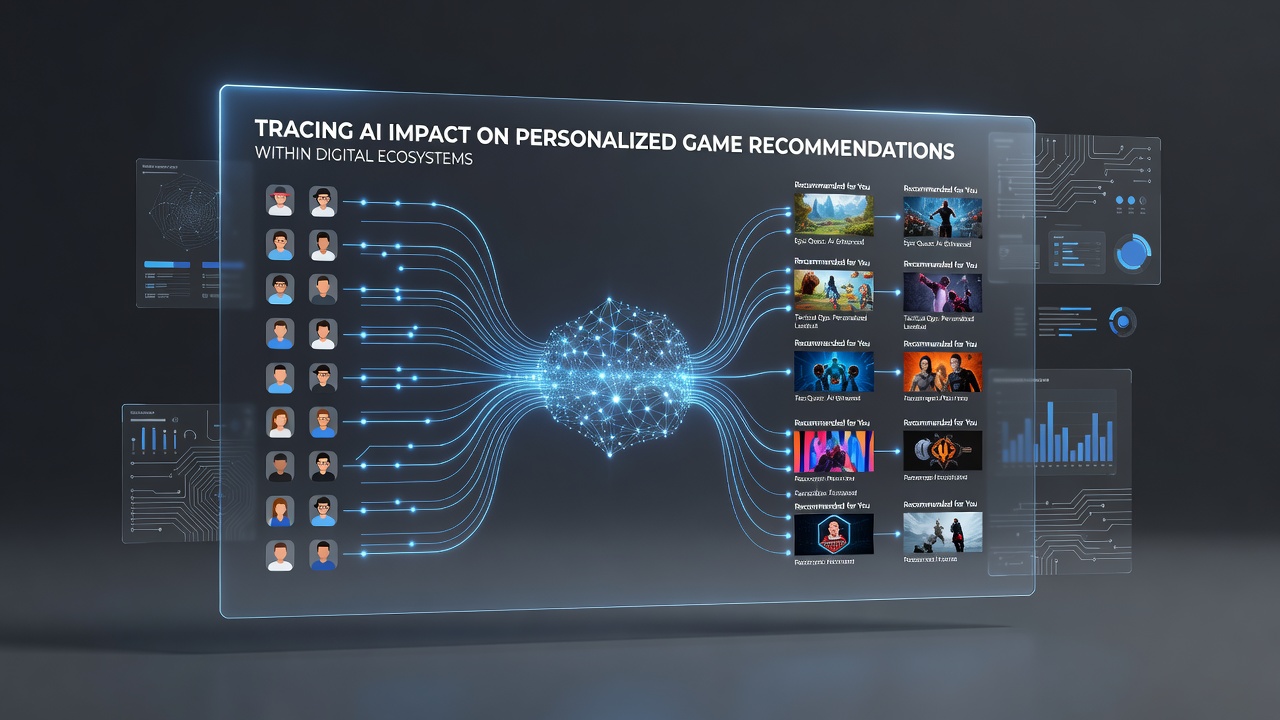
Australian regulatory frameworks administered through state-level bodies have required transparency reports on algorithmic decision-making, prompting developers to document how recommendation logic avoids encouraging excessive play, and these disclosures have informed updates rolled out ahead of 2026 compliance deadlines. In Asia, operators in regulated markets such as Singapore have begun piloting localized versions that factor in cultural game preferences alongside behavioral signals.
Measured Effects on User Engagement and Platform Metrics
Studies conducted by academic teams at institutions including the University of Nevada, Las Vegas, have tracked how AI-driven suggestions correlate with increased session counts and diversified game exploration, while platform analytics indicate that users receiving personalized lists spend more time sampling new categories without corresponding spikes in average wager amounts. One analysis of aggregated transaction records showed that conversion from suggestion to first play reached 62 percent in optimized environments, compared with lower rates under earlier rule-based systems.
Operators report that churn reduction becomes noticeable within 30 to 60 days of full rollout, as returning players encounter familiar yet refreshed options that match prior patterns, and cross-platform synchronization ensures continuity when users switch between devices mid-session. These patterns hold across both slot-focused and table-game-heavy catalogs, suggesting the underlying models generalize effectively.
Technical Challenges and Ongoing Refinements
Scalability concerns arise when datasets grow beyond several million active profiles, requiring distributed computing resources that maintain sub-second response times during peak hours, and developers continue to refine privacy-preserving techniques such as federated learning to reduce centralized data storage needs. Bias detection protocols have been added in several codebases after initial audits revealed over-representation of certain game types in early training sets.
Integration timelines for smaller operators often stretch across multiple quarters as they align legacy systems with modern AI pipelines, yet larger networks have completed transitions that now support A/B testing of recommendation variants at scale. Security teams emphasize encryption of both input telemetry and output suggestions to prevent unauthorized access or manipulation attempts.
Conclusion
Artificial intelligence continues to influence how digital casino environments structure personalized game pathways through iterative model improvements and expanding data sources, and regulatory bodies across multiple continents have established reporting requirements that shape future implementations. Evidence from operator deployments and academic reviews demonstrates consistent gains in relevance metrics without altering core platform economics, positioning these technologies as standard infrastructure components by mid-2026 and beyond. Further documentation from sources such as the New Jersey Division of Gaming Enforcement and research summaries published by the American Gaming Association will likely track additional refinements in the coming years.