Uncovering Patterns in How Various Transaction Options Align with Game Selection Preferences in Portable Gaming Applications
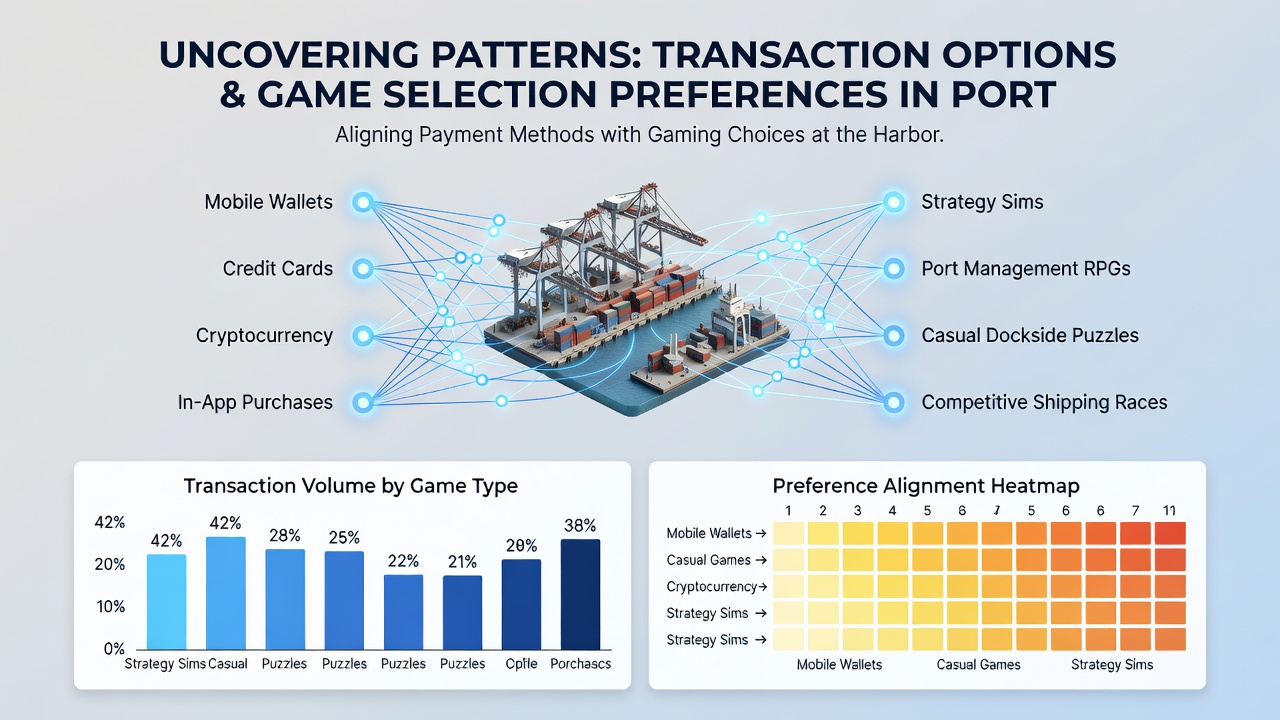
Portable gaming applications have expanded rapidly in recent years, with transaction systems playing a central role in how users select and engage with different game formats. Researchers have documented consistent alignments between payment method choices and preferences for slots versus table games, with data indicating that processing speed, fee structures, and regional availability shape these decisions across mobile platforms.
Transaction Methods and Their Core Characteristics
Digital wallets such as PayPal and Skrill process deposits and withdrawals within minutes in most jurisdictions, whereas traditional credit cards often require additional verification steps that extend settlement times to several hours. Cryptocurrency options including Bitcoin and Ethereum complete transfers on blockchain networks, with confirmation periods varying from under ten minutes to over an hour depending on network congestion. Bank transfers remain the slowest category, frequently taking one to three business days before funds become available for play. Industry reports compiled by the European Gaming and Betting Association show that these timing differences correlate directly with game-type selections in user datasets from 2024 through early 2026.
Observed Alignments Between Payments and Game Categories
Users who favor high-volatility slot titles demonstrate higher adoption rates of cryptocurrency wallets, according to transaction logs analyzed by academic teams at the University of Nevada, Reno. These players execute frequent small deposits that match the rapid confirmation cycles of digital assets, allowing immediate spins without waiting periods. In contrast, participants who select live dealer table games such as blackjack and roulette show stronger preference for established e-wallets that provide built-in purchase protection and streamlined chargeback processes. Figures released by the Australian Communications and Media Authority in May 2026 reveal that 68 percent of mobile table-game sessions initiated after June 2025 originated from accounts funded via digital wallet services rather than card or bank channels.
Low-volatility slot users tend toward credit card funding in markets where cashback rewards apply to gaming transactions. Canadian provincial data collected through the Alcohol and Gaming Commission of Ontario indicates that reward-linked card payments account for 42 percent of deposits into progressive jackpot slot applications, whereas the same payment type represents only 19 percent of deposits into strategy-focused table environments. Observers note that the alignment appears driven by reward mechanics rather than game mechanics alone, since cashback structures reduce the effective cost per session for extended play periods.
Regional Regulatory Influences on Payment-Game Patterns
Regulatory frameworks in different jurisdictions alter which transaction options remain available, thereby shifting observed preferences. In jurisdictions that restrict cryptocurrency use for gambling, slot players migrate toward prepaid voucher systems that offer instant top-ups at retail outlets. The Nevada Gaming Control Board documented a 31 percent increase in voucher-funded mobile slot activity between January and June 2026 following updated digital asset guidelines. Meanwhile, European markets that maintain open crypto policies continue to record elevated crypto usage among slot enthusiasts, with parallel increases in table-game activity funded through regulated e-wallets.
Cross-border comparisons compiled by the Asia Pacific Association of Gaming Regulators highlight how fee transparency requirements affect selection. Markets mandating clear display of all transaction costs show reduced card usage for both game types, while users shift toward zero-fee wallet options regardless of volatility preference. These shifts appear stable across six-month observation windows ending in June 2026.
Technological Integration and User Behavior Data
Application developers have integrated unified payment dashboards that surface available methods at the point of game selection, and analytics platforms capture the resulting decision sequences. Heatmap studies conducted by software providers indicate that players spend an average of 4.7 seconds reviewing payment options before choosing a game category when the dashboard appears inline. When payment selection occurs after game entry, the average review time rises to 9.2 seconds, with higher abandonment rates recorded among table-game sessions. These patterns hold across both iOS and Android environments according to aggregated telemetry shared at the 2026 International Gaming Summit.
Mobile network speed also factors into alignments. Users on slower connections demonstrate preference for payment methods that complete authorization in a single step, which correlates with increased selection of automated slot formats over interactive table games that require sustained connectivity. Network latency measurements paired with transaction logs show this effect most pronounced during peak evening hours in urban areas.
Security Features and Their Role in Selection
Two-factor authentication requirements differ across transaction providers, influencing which users proceed to particular game types. Providers that embed biometric verification within the wallet application record higher completion rates for table-game deposits, where session lengths often exceed thirty minutes. Slot-oriented deposits, by comparison, show elevated use of providers that permit single-factor PIN entry for amounts under a defined threshold. Security audit summaries published by the International Association of Gaming Regulators confirm these behavioral divergences without attributing causation to any single variable.
Encryption standards have converged across major providers, yet residual differences in tokenization methods continue to appear in user choice data. Applications that support multiple token formats simultaneously display broader distribution across payment categories, reducing concentration around any one method for either slots or tables.
Conclusion
Transaction options and game selection preferences in portable gaming applications exhibit measurable alignments shaped by processing speed, regulatory availability, reward structures, and security implementation. Data collected through mid-2026 across multiple jurisdictions demonstrate that these patterns persist even as individual providers update their feature sets. Continued monitoring of transaction logs alongside game telemetry will clarify whether emerging payment technologies further refine or disrupt the alignments observed to date.